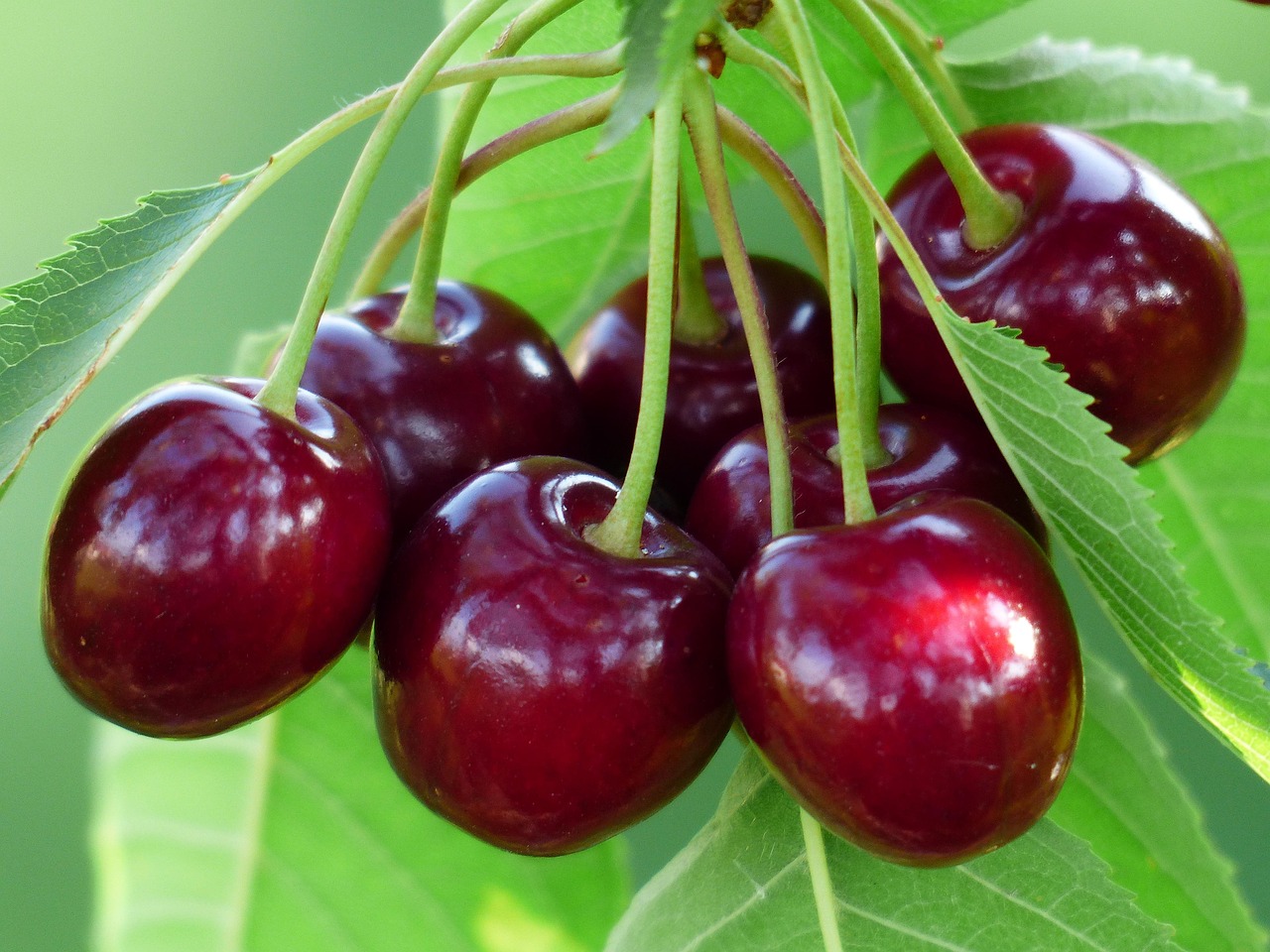
Fruit trees for small gardens are a smart and rewarding choice for home growers with limited space. They bring beauty, fresh produce, and a touch of nature to even the smallest urban backyards, patios, or balconies. With the right variety and care, you don’t need acres of land to enjoy a harvest of apples, cherries, or citrus. Thanks to dwarf varieties, columnar forms, and clever pruning techniques, growing fruit at home has never been more accessible—no matter the size of your garden.
Why Choose Fruit Trees for Small Gardens?
One of the greatest advantages of fruit trees for small gardens is how they serve multiple purposes: they provide shade, seasonal beauty, and delicious fruit—all in a compact form. In small gardens, fruit trees offer a combination of form and function. They can transform a simple space into a vibrant, productive environment while also attracting pollinators and adding visual interest year-round.
In addition to their aesthetic appeal, growing your own fruit is an environmentally conscious choice. It reduces your reliance on store-bought produce, cuts down on packaging waste, and minimizes the carbon footprint associated with transporting food. For anyone passionate about sustainability, fruit trees are a natural fit.
Best Fruit Tree Options for Small Gardens
1. Dwarf and Miniature Fruit Trees
Dwarf fruit trees are bred specifically to stay small while still producing full-sized fruit. Most reach between 6 and 10 feet tall and are easy to manage.
- Dwarf Apple Trees – Popular varieties like ‘Honeycrisp’ or ‘Gala’ on dwarf rootstock thrive in small spaces.
- Dwarf Peach Trees – Compact options like ‘Bonanza’ and ‘Pixzee’ grow well in containers and sunny spots.
- Dwarf Cherry Trees – ‘Stella’ and ‘Compact Stella’ are excellent for containers and are self-fertile.
- Dwarf Citrus Trees – Ideal for warmer climates or sunny indoor spaces; consider lemons, limes, or mandarins.
2. Columnar Fruit Trees
These upright-growing trees are ideal for very tight spots or even lining a pathway. They grow vertically without spreading out.
- Columnar Apples – Varieties like ‘Northpole’ or ‘Urban Blusher’ are perfect for patios or narrow spaces.
Tips for Growing Fruit Trees in Small Spaces
Choosing the right variety is essential when selecting fruit trees for small gardens. Look for dwarf, semi-dwarf types to ensure a healthy fit for your space.
Here are some tips to get the most out of your trees:
- Use Containers Wisely
Large pots (at least 15–20 gallons) allow for mobility and control over soil and drainage. Be sure the container has good drainage holes. - Prune Regularly
Pruning keeps trees healthy, encourages fruit production, and helps maintain a manageable size. - Consider Pollination
Some trees are self-fertile, but others need a second tree for cross-pollination. For small spaces, choose self-fertile or multi-grafted trees (which have different varieties on the same rootstock). - Feed and Water Consistently
Trees in containers or small areas dry out more quickly and require regular watering. Use mulch to retain moisture and a balanced fertilizer during the growing season.
Eco-Friendly Containers: Sustainable Choices for Small Trees
When growing fruit trees in containers, it’s worth considering eco-friendly alternatives to plastic pots. Sustainable options such as terra cotta, recycled wood planters, fabric grow bags, or biodegradable fiber pots offer both function and environmental benefits.
Clay and ceramic pots are durable and breathable, helping regulate moisture and temperature for healthy root development. Recycled wooden barrels or boxes (like old wine or whiskey barrels) can be repurposed into rustic, attractive planters.
Fabric grow bags made from recycled materials are lightweight, reusable, and provide excellent drainage and aeration. Choosing non-plastic containers aligns with a low-waste lifestyle and reduces long-term environmental impact—an ideal approach for gardeners who value both productivity and planet-friendly practices.
Creative Ways to Incorporate Fruit Trees
- Use as a Focal Point – A flowering or fruiting tree can be the centerpiece of your garden design.
- Grow Vertically – Train trees up fences to save ground space.
- Pair with Edible Plants – Create a mini food forest by combining fruit trees with herbs, leafy greens, and pollinator-friendly flowers.
- Use on Rooftops or Balconies – Dwarf trees can thrive in pots on flat rooftops or sunny balconies with the right care.
By choosing compact fruit trees for small gardens—such as dwarf apple, cherry, or berry-bearing shrubs—you can not only enjoy fresh homegrown produce but also create your own natural ingredients for flavorful, antioxidant-rich teas infused with garden-grown berries.
Final Thoughts
In the end, fruit trees for small gardens prove that limited space doesn’t mean limited possibilities. Whether you have a tiny yard, a narrow side garden, or just a sunny patio, the right tree can transform your space into a lush, productive haven. With careful selection, proper pruning, and a little attention, your small garden can yield a bountiful harvest—and plenty of satisfaction.