Spice gardening is a rewarding and aromatic hobby that brings color, flavor, and fragrance right to your doorstep. Whether you’re working with a backyard garden, a small patio, or just a few sunny windowsills, you can grow your own spices and transform everyday meals into culinary delights.
Let’s dive into how spice gardening can spice up your life—literally!
Why Start Spice Gardening?
Spices and herbs are the backbone of delicious, vibrant cooking. But they’re not just for chefs—spice gardening makes it possible for anyone to grow these essential flavor-makers at home.
Here’s why you should consider starting a spice garden:
- Freshness: Homegrown spices taste more vibrant than store-bought varieties.
- Cost savings: No more expensive jars of dried herbs—grow your own for pennies.
- Healthier meals: Organic and chemical-free spices straight from your garden.
- Sustainability: Reduce waste and packaging by growing what you need.
Whether you’re seasoning soups or making homemade herbal tea, fresh spices make a world of difference.
Best Spices to Grow at Home
Not sure where to begin? Here are some of the easiest and most versatile spices and herbs to grow at home:
Basil
A warm-weather favorite with sweet, peppery leaves—perfect for Italian, Thai, and Mediterranean dishes.
Mint
Hardy, fast-growing, and refreshing. Best grown in eco-friendly containers or pots to prevent it from taking over your garden.
Coriander (Cilantro)
Use the leaves fresh as cilantro, and dry the seeds for use as coriander—two spices from one plant!
Chili Peppers
Spicy and colorful! Choose from jalapeños, cayenne, Thai chilies, or even ornamental varieties.
Ginger & Turmeric
Grown from rhizomes, these roots need warmth and patience but offer powerful flavors and health benefits.
Garlic
Easy to plant from individual cloves. Just pop them into the ground in spring and harvest the coming summer.
Rosemary
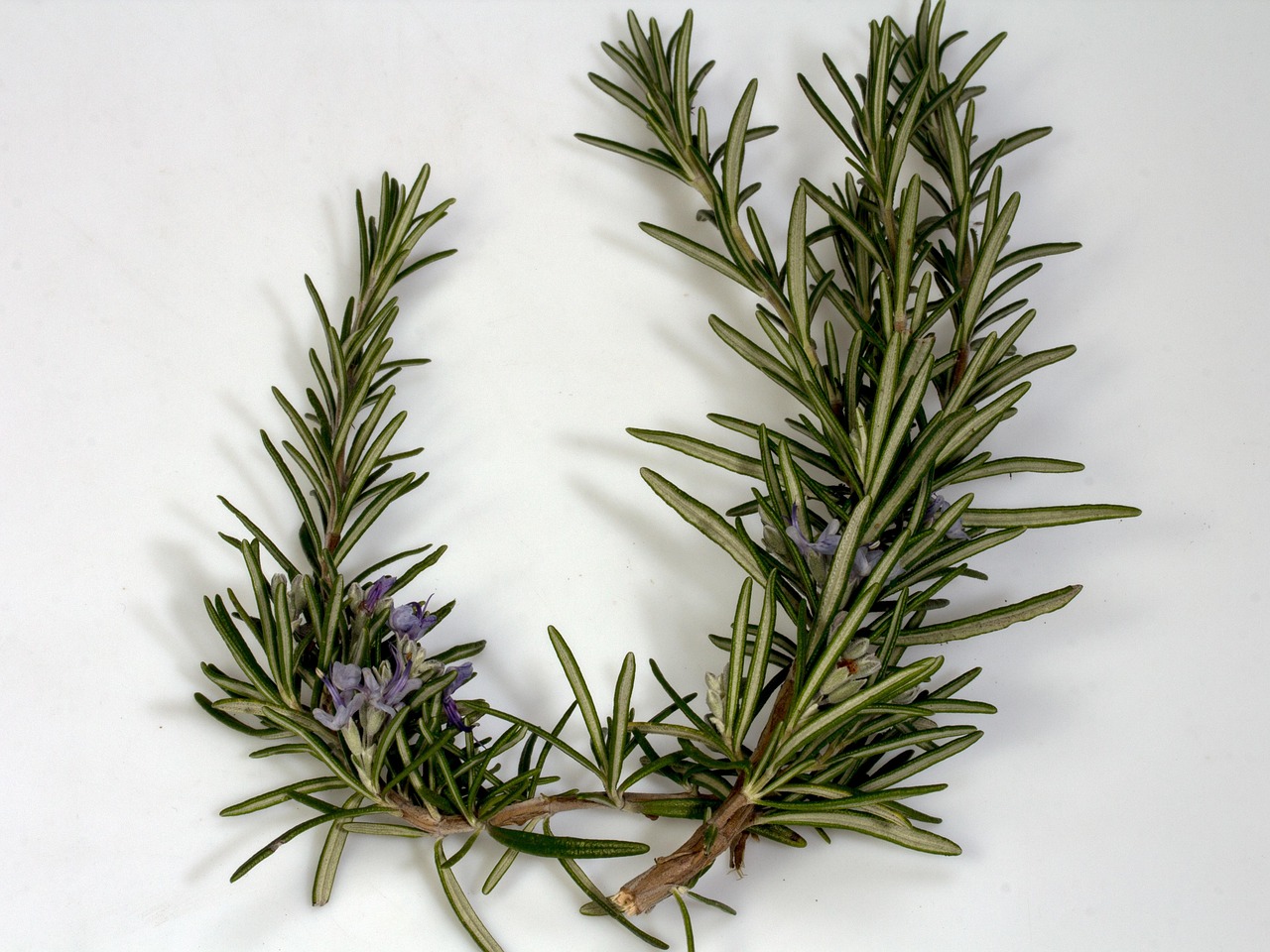
A hardy, aromatic herb with needle-like leaves and a piney scent, commonly used to flavor roasted meats, vegetables, and breads.
Bonus Aromatics and Companion Herbs
The following plants add amazing flavor and companion-planting benefits to your spice garden:
- Oregano – adds depth to tomato-based dishes and thrives in hot, dry areas.
- Thyme – a drought-tolerant herb great for poultry, soups, and vegetables.
- Marjoram – milder than oregano; ideal for salads and delicate dishes.
- Lemongrass – used in Southeast Asian cuisine; also repels mosquitoes.
- Lavender – great for both culinary and aromatic uses.
- Parsley – a herb, but a perfect companion in any spice garden.
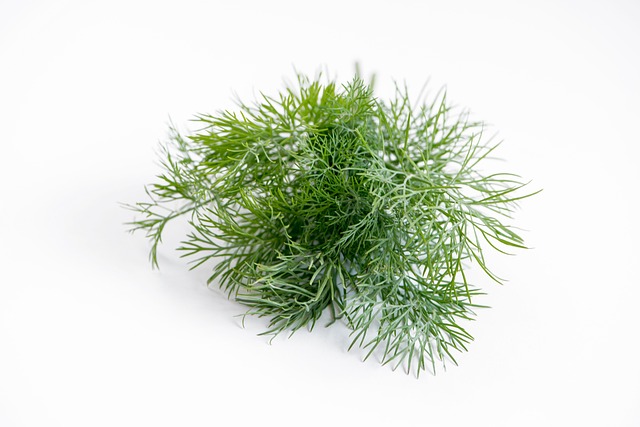
- Dill – a feathery, aromatic herb known for its sweet, slightly tangy flavor that pairs perfectly with pickles, fish, and salads.
- Chives – a mild, onion-flavored herb with slender green stalks, perfect for adding a fresh, delicate bite to salads, soups, eggs, and baked potatoes.
How to Start Your Spice Garden
You don’t need a farm or fancy equipment—spice gardening can begin with just a few pots and some sunlight.
Step-by-step:
- Choose a sunny location: Most spices need 6+ hours of direct sun.
- Use quality soil: Well-draining potting mix or loamy garden soil is ideal.
- Pick the right eco-friendly containers (if indoors or on patios): Ensure they have drainage holes.
- Water consistently: Keep soil moist but not soggy. Overwatering can cause root rot.
- Harvest regularly: Trimming herbs like basil and mint encourages more growth.
Spice Gardening Year-Round
Spice gardening isn’t just a summer activity. Here’s how to grow and enjoy spices all year long:
- Grow indoors during winter using windowsills or grow lights.
- Dry or freeze your harvest for long-term storage.
- Make your own blends: Combine dried herbs to create custom spice mixes.
Imagine cooking with your own dried oregano or chili powder in the middle of winter—there’s nothing like it!
Extra Benefits of Spice Gardening
The perks of spice gardening go beyond the kitchen:
- 🌼 Supports pollinators: Many herbs like thyme and lavender attract bees and butterflies.
- 🍵 Holistic health: Spices like turmeric and mint have anti-inflammatory and digestive benefits.
- 🧘 Mental wellness: Gardening reduces stress, boosts mood, and promotes mindfulness.
Spice gardening is more than just planting—it’s a full sensory and wellness experience.
Sustainability
Spice gardening offers several ecological advantages that contribute to a healthier environment. By growing your own spices, you reduce the need for mass-produced, chemically treated spices that often travel long distances, cutting down on carbon emissions from transportation.
Spice plants like basil, thyme, and fennel also attract beneficial insects such as bees, butterflies, and ladybugs, supporting local pollinator populations and enhancing biodiversity. Additionally, cultivating spices organically at home reduces pesticide runoff and soil degradation often associated with commercial farming.
Many spice plants can thrive in small spaces or containers, making sustainable gardening accessible even in urban areas. Overall, spice gardening promotes eco-friendly practices while reconnecting people with nature.
Using eco-friendly planting containers and pots in your spice gardening not only supports plant health but also reduces environmental impact. These sustainable containers — made from materials like biodegradable coconut coir or natural clay — help minimize waste and lower your carbon footprint compared to conventional plastic pots.
Many eco-friendly pots allow for better aeration and drainage, which promotes stronger root systems and healthier plants. Additionally, best biodegradable options – planting spices and herbs directly into the soil, reducing transplant shock and simplifying the gardening process.
By choosing environmentally conscious containers, gardeners actively contribute to a greener planet while creating a more sustainable spice garden.
Final Thoughts: Why Spice Gardening Is Worth It
Whether you’re an avid home cook, a health-conscious eater, or just looking for a new hobby, spice gardening is a fantastic way to grow something meaningful. It’s simple to start, endlessly rewarding, and totally customizable to your taste and space.
So grab a pot, some seeds, and start your journey into the flavorful, fragrant world of spice gardening today!