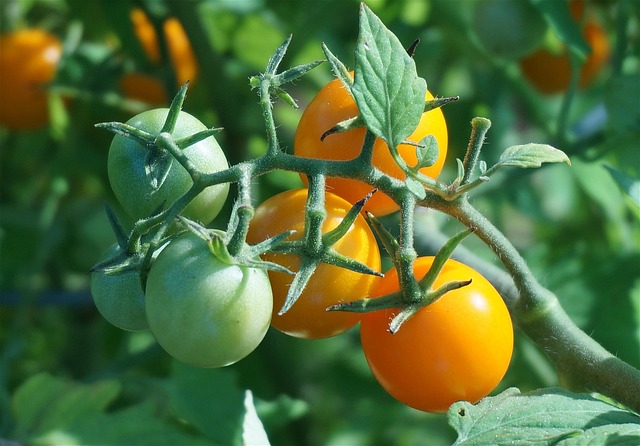
Nightshade vegetables are a fascinating group of plants that often appear in both home gardens and on dinner plates. Known for their vibrant colors, culinary versatility, and unique growing habits, nightshade vegetables are both loved and misunderstood. If you’re a gardener looking to grow these popular crops, understanding what they are—and how they behave—is essential.
What Are Nightshade Vegetables?
Nightshade vegetables belong to the Solanaceae family, which includes over 2,000 species of flowering plants. The most commonly cultivated nightshades include tomatoes, peppers, eggplants, and potatoes. While these crops are dietary staples around the world, they also contain alkaloids, which have sparked debates about whether nightshade vegetables are beneficial or harmful to health.
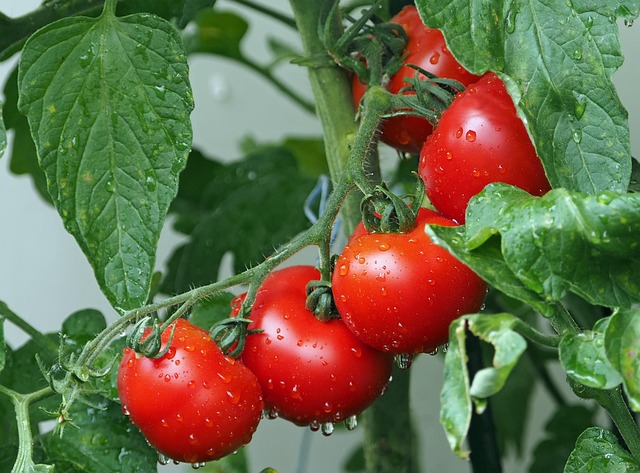
From a gardening perspective, nightshade vegetables are warm-season crops that thrive in full sun and well-drained soil. They’re highly rewarding to grow, especially for beginners who want a productive and colorful garden.
Common Types of Nightshade Vegetables
Here are some of the most common nightshade crops you’ll find in gardens:
- Tomatoes: Probably the most popular nightshade. From cherry to heirloom varieties, tomatoes offer endless options for gardeners.
- Bell Peppers & Chilies: These add color and heat to dishes and gardens alike. They prefer hot, sunny conditions.
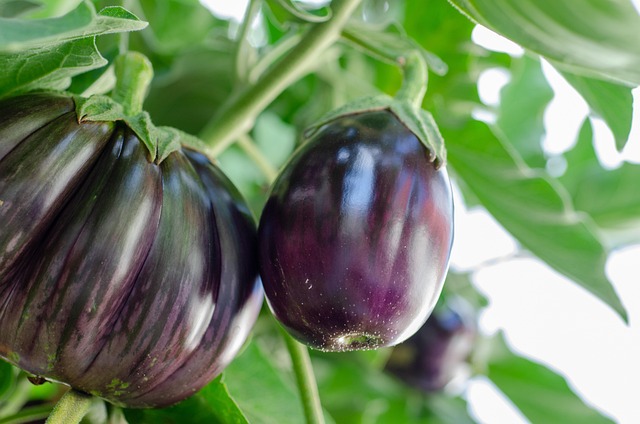
- Eggplants: Known for their glossy purple skin, eggplants require consistent watering and warm temperatures.
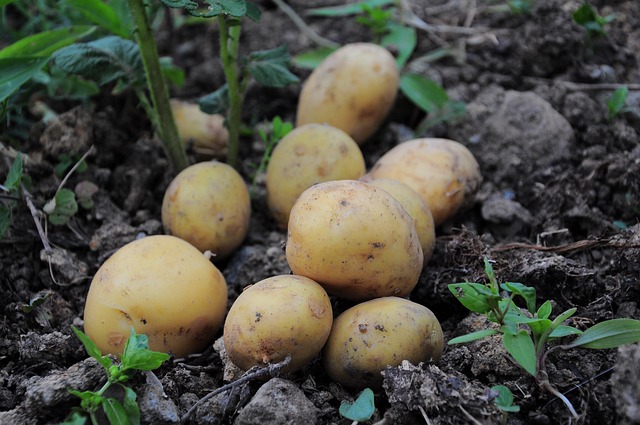
- Potatoes: Unlike the others, potatoes grow underground. They’re hardy and productive, but require careful crop rotation.
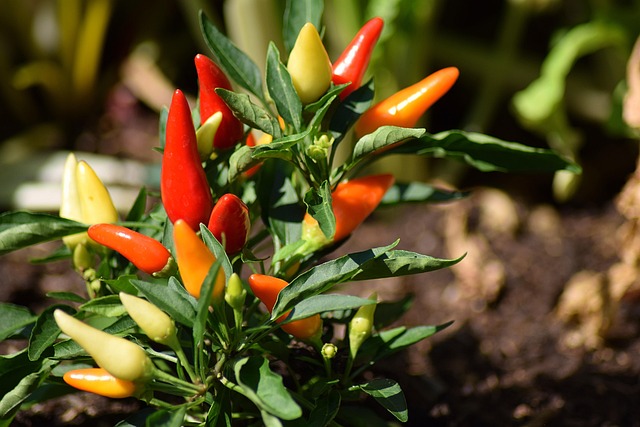
These nightshade vegetables are all excellent choices for the home garden, especially if you’re aiming for high yield and culinary versatility.
Growing Nightshade Vegetables Successfully
To grow these sun-loving crops successfully, consider the following key tips:
- Start with healthy seedlings or seeds. Many nightshades take a long time to mature and benefit from early starts indoors.
- Choose a sunny location. These vegetables require at least 6–8 hours of direct sunlight daily.
- Use rich, well-drained soil. Adding compost or aged manure can boost growth.
- Rotate crops annually. This prevents soil-borne diseases that nightshade vegetables are prone to, such as blight.
- Stake and support your plants. Tomatoes and peppers, in particular, need support as they grow taller and heavier with fruit.
Regular watering, pest control, and vigilance against disease are also vital when cultivating nightshade vegetables.
Are Nightshade Vegetables Bad for You?
A common question among gardeners and health-conscious eaters is whether nightshade vegetables are harmful. The confusion stems from the presence of solanine, a natural alkaloid that can be toxic in large amounts. However, in the quantities found in edible nightshades, solanine is typically harmless to most people.
That said, some individuals with autoimmune conditions, like arthritis, report sensitivity to nightshade vegetables. If you suspect a reaction, it’s best to consult a health professional.
For the average person, however, nightshade vegetables are rich in vitamins, antioxidants, and fiber, making them a healthy addition to any diet.
Pest and Disease Concerns
Nightshade vegetables are unfortunately targets for a range of pests and diseases. Common issues include:
- Aphids
- Tomato hornworms
- Blight (early and late)
- Verticillium wilt
Implementing companion planting, such as growing basil near tomatoes or marigolds near potatoes, can deter pests naturally. Regular inspection and organic pest control methods will help you maintain a thriving crop of nightshade vegetables.
🌱 Growing Nightshade Vegetables Sustainably
To grow nightshade vegetables in an eco-friendly way, focus on sustainable practices like:
- Crop rotation to maintain soil health and prevent disease buildup
- Composting to enrich soil naturally without synthetic fertilizers
- Organic pest control using neem oil, companion planting, or hand-picking
- Mulching to retain moisture and reduce watering needs
- Saving seeds from heirloom varieties for next season’s planting
These methods reduce your environmental impact while promoting stronger, healthier plants — making your garden better for both you and the planet.
Final Thoughts: Should You Grow Nightshade Vegetables?
Absolutely! Despite a few challenges, nightshade vegetables are a cornerstone of many home gardens. Their productivity, visual appeal, and culinary uses make them worth the effort. Whether you’re a beginner or a seasoned green thumb, planting nightshade vegetables will add diversity and interest to your garden.
Just remember to rotate crops yearly, provide strong sun, and monitor for pests. With proper care, your nightshade vegetables will flourish and provide a rewarding harvest season after season.