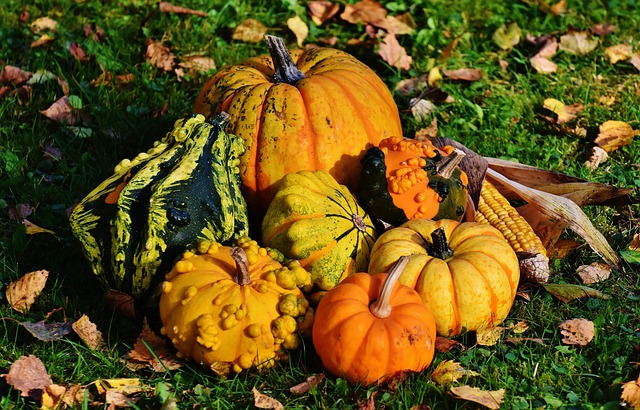
The Cucurbitaceae family, often called the gourd family, is one of the most diverse and widely cultivated plant families in the world. It includes many familiar vegetables and fruits such as cucumbers, pumpkins, squashes, zucchinis, and melons. These plants are known not only for their culinary value but also for their rapid growth, trailing vines, and rich history in human agriculture.
Whether you’re a home gardener, a hobbyist, or just curious about where your favorite summer vegetables come from, this family offers something fascinating for everyone.
🌿 What Is the Cucurbitaceae Family?
The Cucurbitaceae family is a large group of flowering plants that includes around 900 species across 90–100 genera. Most cucurbits are tender annuals, although a few can behave like perennials in warm climates.
Key characteristics of Cucurbitaceae plants include:
- Vining or sprawling growth habit (often with tendrils)
- Large, lobed leaves
- Bright yellow or orange flowers, usually unisexual
- Fleshy fruits (technically called pepos, a type of berry with a hard rind)
They’re fast-growing, warm-season plants that thrive in full sun and well-drained soil.
🍈 Popular Members of the Cucurbitaceae Family
Here are some of the most common and widely grown cucurbits:
🥒 Cucumbers (Cucumis sativus)
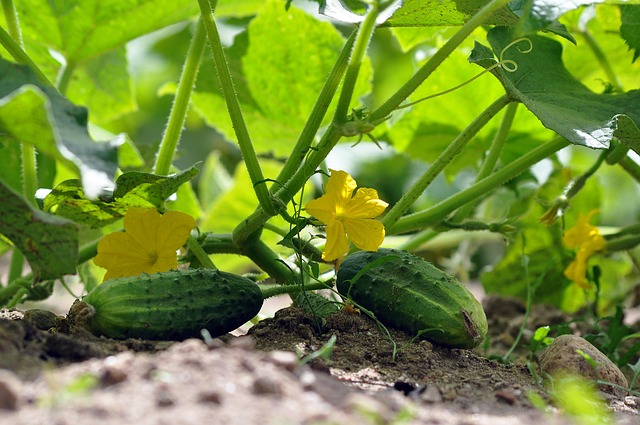
Crisp, refreshing, and easy to grow, cucumbers are a staple in many summer gardens. Most grow as vines, but bush types are available for small spaces – even terases. If you live in colder climate, use greenhouses for growing cucumbers.
🎃 Pumpkins (Cucurbita pepo, maxima, moschata)
A symbol of autumn, pumpkins range from small ornamental varieties to massive types grown for competition. Beyond Halloween décor, many varieties are edible and perfect for soups, pies, and roasting. It is advisable to grow pumpkins on compost beds (please avoid using plastic wrap for making them).
🥗 Zucchini (Cucurbita pepo)
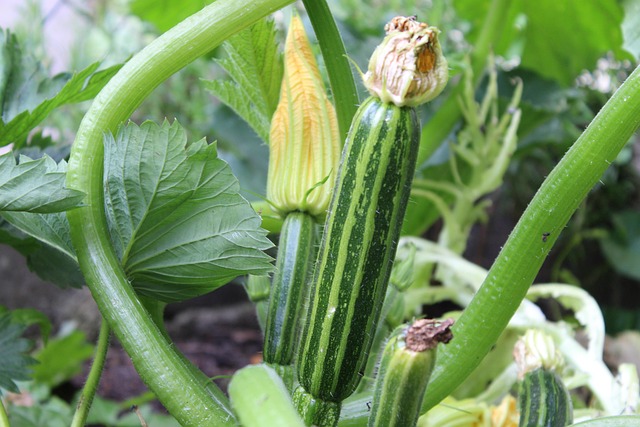
Also known as courgette, zucchini is a prolific summer squash that grows quickly and abundantly. It’s popular in stir-fries, baked goods, and spiralized as a pasta alternative.
🍉 Watermelon (Citrullus lanatus)
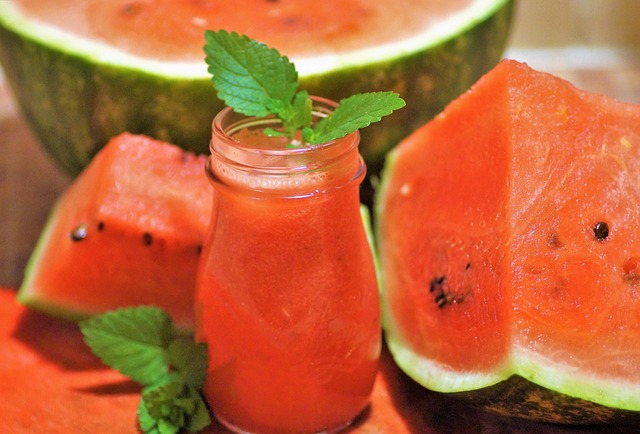
A summer favorite, watermelon is technically a fruit but botanically part of the gourd family. It requires plenty of space and heat to grow, but rewards gardeners with juicy, sweet results.
🍈 Melons (Cucumis melo)
Cantaloupes, honeydews, and other melons also belong to the cucurbit family. Like watermelon, they need a long, warm growing season and plenty of sun.
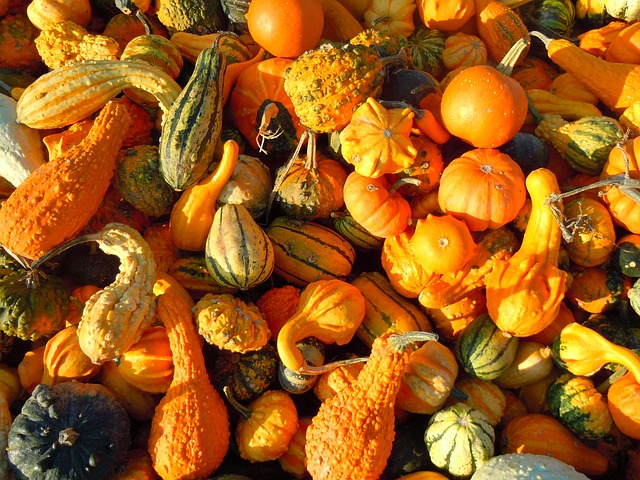
🥒 Gourds (Lagenaria, Luffa, etc.)
Used more for decoration or utility than eating, gourds can be dried and turned into birdhouses, bowls, and musical instruments. Loofahs (yes, the sponge!) are also part of this group.
🌞 How to Grow Cucurbit Vegetables
Cucurbits are sun-loving, heat-loving, and space-hungry. Here are some basic growing tips:
- Start from seed: Most cucurbits do best when directly sown into the ground after the last frost.
- Use rich soil: They are heavy feeders, so amend soil with compost or organic fertilizer.
- Water deeply: Consistent watering helps prevent bitterness in cucumbers and cracking in melons.
- Provide support: Trellising can save space and improve air circulation, especially for cucumbers and small squash.
- Watch for pests: Common threats include cucumber beetles, squash bugs, and powdery mildew. Crop rotation and neem oil can help.
🌱 Sustainable Growing Tips for Cucurbitaceae Plants
Growing cucurbits sustainably is not only good for your garden but also for the environment. These fast-growing vegetables thrive with minimal inputs if managed well.
- Rotate your crops each season to prevent soil depletion and reduce pest build-up, especially from squash bugs and cucumber beetles.
- Use compost and organic fertilizers instead of synthetic ones to nourish the soil and promote long-term fertility.
- Mulch with straw or leaves to retain moisture, suppress weeds, and reduce the need for frequent watering.
- Encourage pollinators by planting companion flowers like nasturtiums, calendula, or borage nearby — many cucurbits rely on bees for fruiting.
- Train vines upward using trellises or vertical supports to save space, improve airflow, and reduce disease risk — great for cucumbers and smaller squashes.
- Choose heirloom or open-pollinated seeds when possible, which support seed saving and biodiversity.
With a few thoughtful choices, you can enjoy a productive harvest of cucurbits while nurturing a self-sufficient and eco-friendly backyard.
🌍 Why Cucurbits Matter
Cucurbitaceae crops have been cultivated for thousands of years. Archaeological evidence shows squashes and gourds were domesticated in the Americas over 10,000 years ago — making them one of the earliest food crops.
Today, cucurbits are grown worldwide and are key to both subsistence and commercial agriculture. Their fast-growing nature makes them ideal for short-season gardeners, and their diversity ensures there’s a variety for every climate and kitchen.
🧺 Final Thoughts
Whether you’re harvesting a crisp cucumber, roasting a butternut squash, or carving a Halloween pumpkin, you’re enjoying the incredible bounty of the Cucurbitaceae family. These plants are easy to grow, highly productive, and deeply embedded in culinary traditions across cultures.