A self sufficient backyard is more than a trend – it’s a meaningful lifestyle choice – in a world where environmental awareness is more important than ever. Whether you’re a seasoned grower or just planting your first seeds, creating a garden that works with nature rather than against it is a powerful way to reduce your footprint and nurture the planet.
From composting to companion planting, there are countless ways to turn your space—big or small—into an eco gardening haven. And for those dreaming of a truly sustainable life, this journey often begins right outside the door, in what many now call the self-sufficient backyard.
What Is Self Sufficient Gardening?
Self-sufficient gardening is all about working in harmony with natural systems. It focuses on reducing waste, minimizing the use of synthetic chemicals, and encouraging biodiversity. Whether you’re tending a few raised beds or cultivating a fully self-sufficient backyard, this style of gardening supports healthy soil, clean water, and thriving local ecosystems — while still producing beautiful blooms and bountiful harvests.
Key Principles of Eco-Friendly Gardening
1. Build Healthy Soil Naturally
Healthy soil is the foundation of any eco garden. Use organic compost, leaf mulch, and manure to feed your soil instead of synthetic fertilizers. Composting kitchen scraps, garden waste, and even paper can dramatically reduce landfill use and boost your soil’s fertility.
2. Embrace Native Plants and Pollinators
Choose plants that naturally thrive in your region. Native flowers, shrubs, and trees require less water and maintenance—and they attract pollinators like bees, butterflies, and birds that support your garden’s ecosystem.
3. Ditch Harmful Chemicals
Switch to natural pest control methods like neem oil, garlic spray, or introducing beneficial insects such as ladybugs. Avoid chemical herbicides by using, preferably, hand-weeding, mulch, or natural weed suppressants like vinegar.
4. Practice Water-Wise Gardening
Eco-friendly gardening means conserving water whenever possible. Install a non-plastic rain barrel, use drip irrigation, and water early in the morning or late in the evening to reduce evaporation. Mulching helps retain moisture while improving soil health.
5. Reuse, Recycle, Repurpose
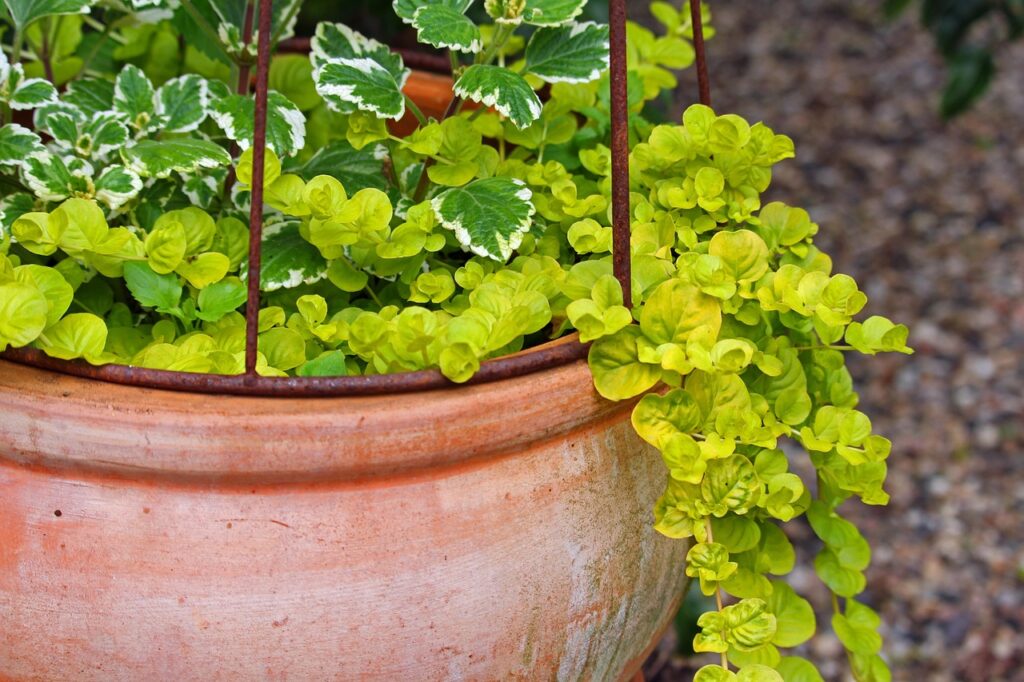
Get creative with upcycled materials—old containers can become planters, wooden pallets can be turned into vertical gardens, and glass jars make charming mini-greenhouses. Reducing plastic use in the garden is another big win for sustainability.
🚫 The Harmful Impact of Plastics in Gardening
While plastic tools, pots, and packaging may seem convenient, their long-term impact on the environment is significant.
Most gardening plastics are not biodegradable and often end up in landfills or break down into microplastics that contaminate soil and waterways. These microplastics can disrupt soil health, affect microbial life, and even make their way into the food chain.
In eco gardening, minimizing plastic use is key—opt for biodegradable seed trays, terracotta pots, wooden markers, or repurposed containers. By reducing reliance on plastic, gardeners can help protect both local ecosystems and the broader environment, one plant at a time.
The Self Sufficient Backyard
For those looking to go even deeper, creating the self-sufficient backyard is an inspiring goal. This idea centers around growing your own food, collecting rainwater, composting all organic waste, and even raising chickens or keeping bees.
It’s about transforming your outdoor space into a mini ecosystem that meets many of your household needs with little outside input.
Even a small backyard can become a powerhouse of production with smart planning:
- Raised vegetable beds
- Fruit trees and berry bushes
- Herbal tea gardens
- Compost stations
- Water-saving setups
Not only does this reduce your carbon footprint, but it also gives you more control over the quality of your food and your connection to the land.
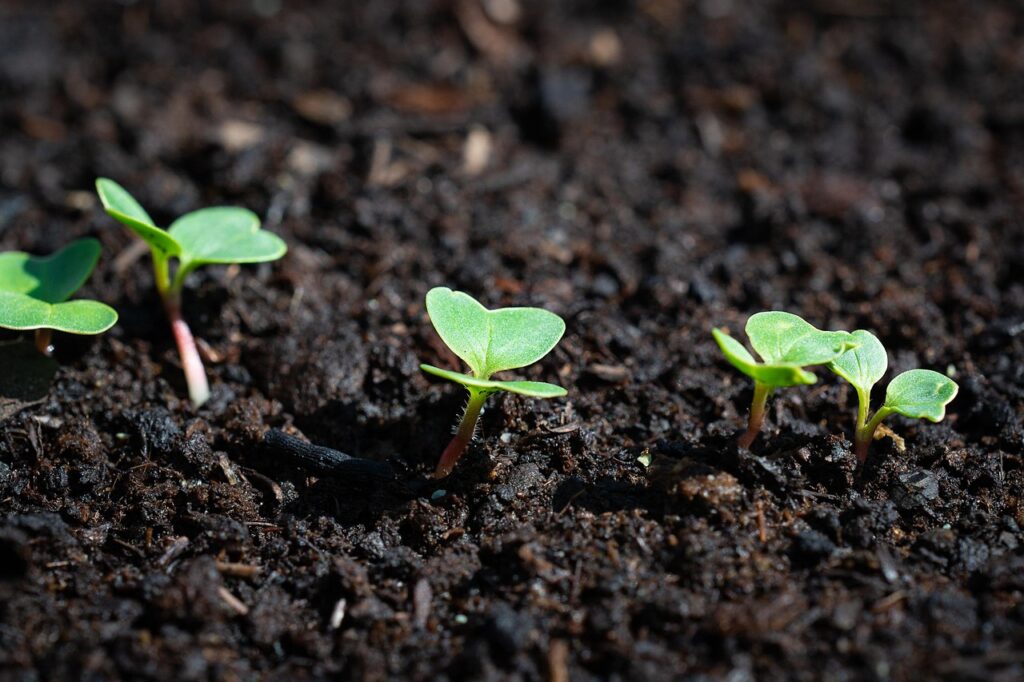
Final Thoughts: A Greener Future, One Garden at a Time
Eco-friendly gardening isn’t just better for the planet—it’s more rewarding for you as a gardener. It encourages mindfulness, observation, and respect for natural cycles. By adopting eco gardening principles, you’re helping build a healthier environment, one plant at a time.
Whether you’re tending a few pots on your balcony or planning your own self-sufficient backyard, every choice toward sustainability matters. So dig in, grow green, and let your garden be a living ex