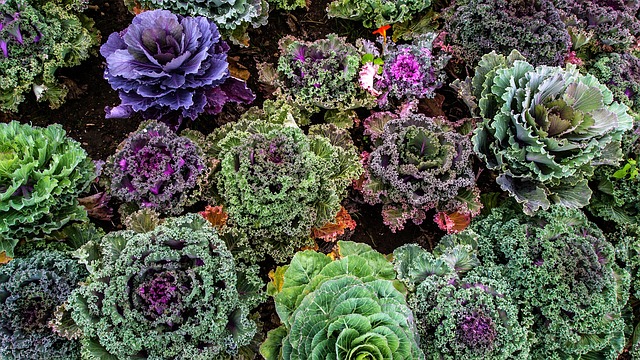
Cruciferous vegetables are some of the most nutrient-dense foods available and are renowned for their impressive health benefits. These vegetables, belonging to the Brassicaceae family, are not only packed with essential vitamins and minerals but also contain powerful plant compounds that have been linked to disease prevention and overall wellness.
A typical cruciferous vegetables list includes broccoli, cauliflower, cabbage, Brussels sprouts, kale, arugula, radishes, bok choy, and turnips. These vegetables share a slightly bitter flavor and a distinctive aroma due to their sulfur-containing compounds, particularly glucosinolates. When consumed, these compounds break down into biologically active substances like indoles and isothiocyanates, which have been studied for their potential anti-cancer properties.
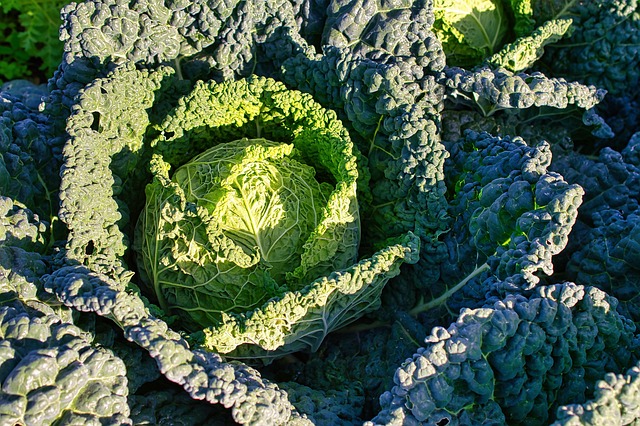
One of the most well-documented cruciferous vegetables benefits is their role in cancer prevention. Numerous studies have linked higher consumption of cruciferous foods to a reduced risk of several types of cancer, including lung, breast, prostate, and colorectal cancers. The phytochemicals found in cruciferous vegetables help detoxify harmful substances in the body, reduce inflammation, and protect DNA from damage. These mechanisms work together to inhibit the growth of cancerous cells.
In addition to their anti-cancer properties, cruciferous vegetables are beneficial for heart health. Rich in fiber, folate, and antioxidants, these vegetables support healthy blood pressure levels, lower LDL (bad) cholesterol, and improve overall cardiovascular function. The fiber content also promotes digestive health by feeding beneficial gut bacteria and supporting regular bowel movements.
When discussing the cruciferous food family, it’s important to note their impressive micronutrient profile. They are high in vitamins C, E, and K, as well as minerals like potassium, calcium, and selenium. Vitamin K, for instance, plays a crucial role in bone health and blood clotting, while vitamin C supports the immune system and acts as a potent antioxidant.
Cruciferous greens, such as kale, mustard greens, and collard greens, deserve special mention. These leafy vegetables are exceptionally rich in antioxidants and chlorophyll, which aid in detoxification and help fight oxidative stress. They’re also low in calories and high in water content, making them ideal for weight management and overall health.
One often overlooked benefit of cruciferous vegetables is their ability to support hormonal balance. The compounds found in these vegetables help the liver metabolize and excrete excess estrogen, which may lower the risk of hormone-related cancers. Women, in particular, may benefit from regular consumption of cruciferous greens like arugula and bok choy as part of a hormone-supportive diet.
If you’re wondering how to incorporate more of these vegetables into your meals, the options are virtually endless. Roasting Brussels sprouts with a drizzle of olive oil, blending kale into smoothies, stir-frying bok choy with garlic, or simply enjoying a raw cabbage slaw are all easy and delicious ways to include cruciferous vegetables in your diet.
It’s worth noting that while cruciferous vegetables offer a wide array of health benefits, consuming them in may interfere with thyroid function, especially in individuals with iodine deficiency. However, this risk is minimal when they are part of a balanced and varied diet and are consumed in small quantities. Cooking these vegetables can also reduce their goitrogenic compounds, making them safer for individuals with thyroid concerns.
Sustainable Gardening: Tips for Growing Cruciferous Vegetables Naturally
Growing cruciferous vegetables in an eco-friendly way is both rewarding and sustainable. These hardy crops—such as broccoli, kale, and cabbage—thrive in cooler seasons and can be cultivated without synthetic fertilizers or pesticides. By using organic compost, practicing crop rotation, and encouraging beneficial insects like ladybugs and bees, gardeners can naturally boost soil health and protect against pests.
Mulching helps retain moisture and suppress weeds, reducing the need for chemical herbicides. Additionally, choosing heirloom or non-GMO seeds supports biodiversity. With mindful practices, growing cruciferous vegetables becomes a low-impact, environmentally responsible way to nourish both your body and the planet.
In summary, cruciferous vegetables are a cornerstone of a healthy, plant-rich diet. Their powerful combination of fiber, vitamins, minerals, and unique phytochemicals makes them an excellent choice for disease prevention, hormonal support, heart health, and more.
By incorporating a diverse cruciferous vegetables list into your meals regularly, you can enjoy both their culinary versatility and their profound health-promoting properties. Whether you prefer your cruciferous food raw, steamed, or sautéed, these vibrant vegetables deserve a prominent place on your plate.