Creating a tea garden at home is a rewarding way to enjoy fresh, aromatic teas straight from your backyard. Garden teas offer a delightful mix of flavor, wellness benefits, and the joy of growing your own herbs and fruits. Whether you have a sunny balcony, a kitchen windowsill, or a spacious garden, cultivating tea-friendly plants is easy and satisfying.
Garden teas offer a delightful combination of fresh flavors, therapeutic benefits, and the satisfaction of nurturing plants yourself. Brewing a warm cup of tea is a simple pleasure that many cherish, and there’s something truly special about sipping tea made from herbs grown right in your own tea garden.
Whether you have a spacious backyard or a small balcony, growing tea-friendly herbs on you tea garden is an accessible and rewarding way to enhance your daily ritual. Many popular tea herbs are surprisingly easy to grow and maintain.
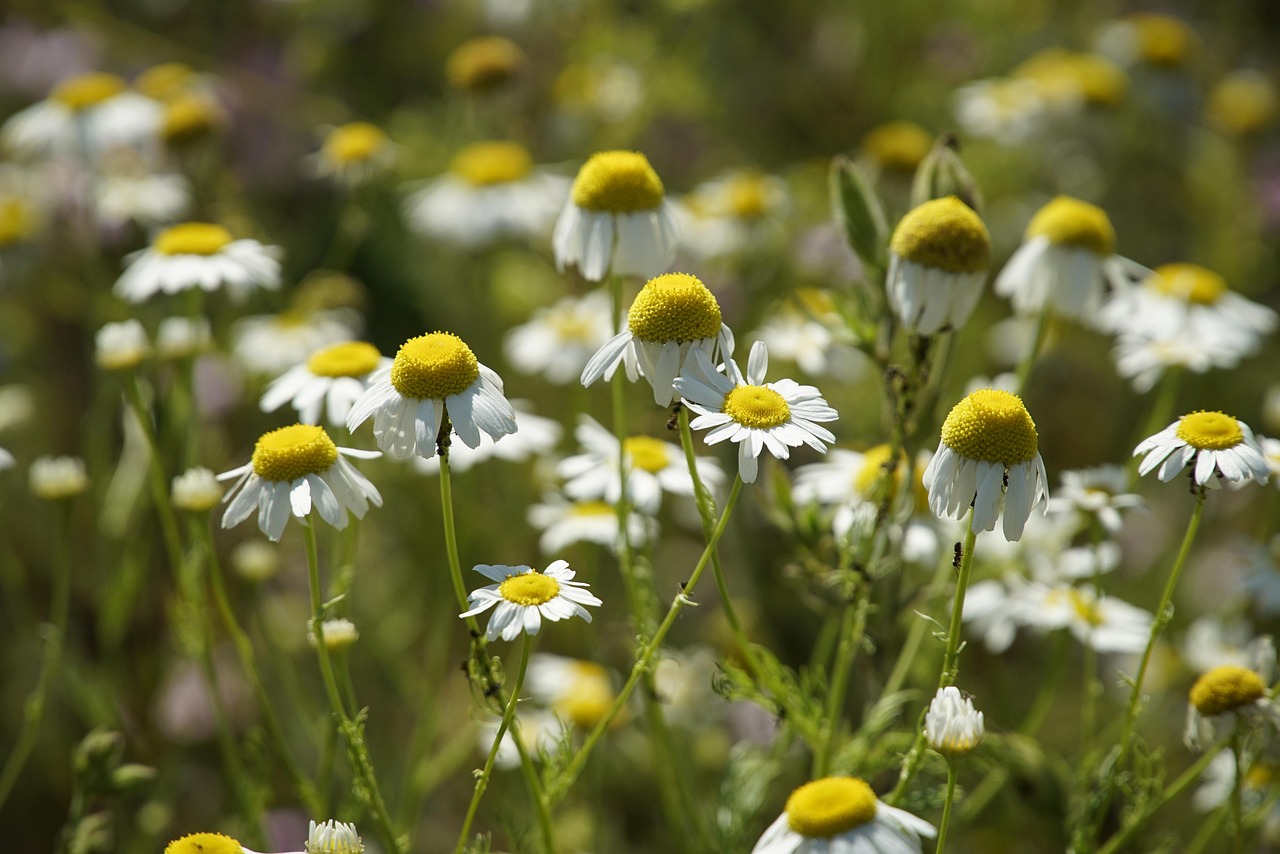
Chamomile, known for its gentle, calming properties, thrives in sunny spots with well-drained soil. Peppermint and lemon balm are fast-spreading herbs that bring refreshing, bright flavors to your tea blends, while lavender adds a subtle floral note and relaxation benefits. For a zesty twist, lemon verbena and rosemary offer unique citrus and pine aromas, enriching your homemade brews.
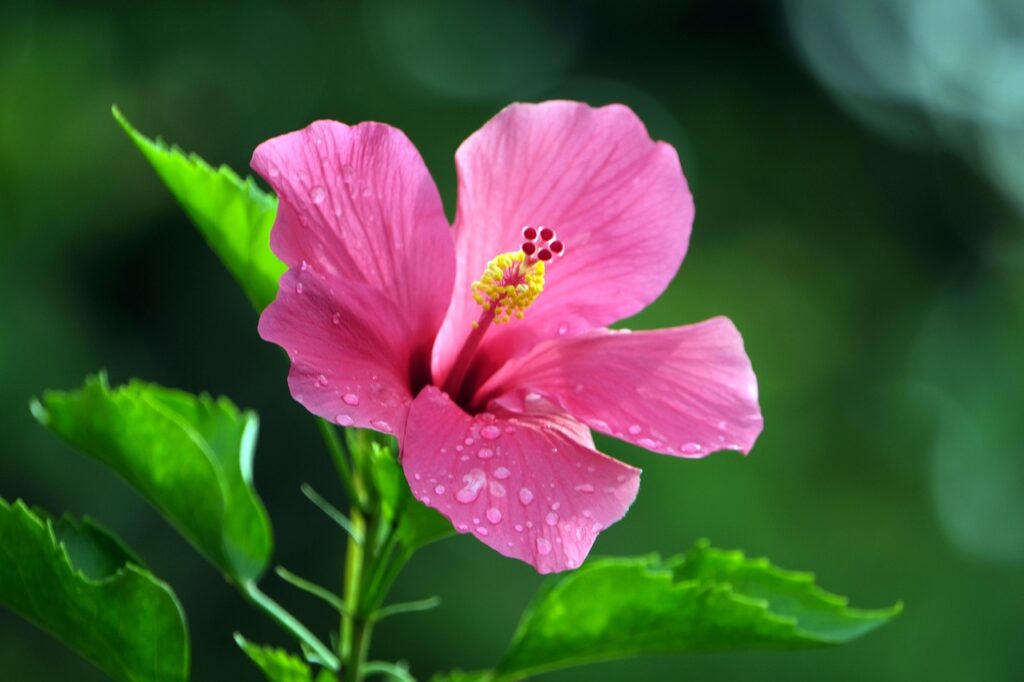
| Hibiscus is another beautiful addition, producing vibrant red flowers that steep into a tart, vitamin C-rich tea perfect for hot summer days. Harvesting your own garden teas allows you to | experiment with flavors, create personalized blends, and avoid additives often found in commercial teas. Plus, cultivating organic tea plants encourages pollinators and enhances your garden’s biodiversity. |
A List of Garden Teas You Can Grow at Your Tea Garden
To get you started, here’s a list of popular herbs and plants ideal for growing at home and turning into delicious, healthful teas:
- Chamomile (Matricaria chamomilla): Mild, calming, perfect for relaxation.
- Peppermint (Mentha × piperita): Refreshing and soothing for digestion.
- Spearmint (Mentha spicata): Sweeter mint flavor, great for nausea.
- Lemon Balm (Melissa officinalis): Light lemony taste, relieves stress.
- Lavender (Lavandula angustifolia): Floral and calming.
- Lemon Verbena (Aloysia citrodora): Strong lemon scent, digestive aid.
- Rosemary (Rosmarinus officinalis): Piney aroma, boosts memory.
- Holy Basil (Tulsi) (Ocimum tenuiflorum): Adaptogenic and immune-boosting.
- Hibiscus (Hibiscus sabdariffa): Tart and vitamin-rich.
- Sage (Salvia officinalis): Earthy, good for sore throats.
- Thyme (Thymus vulgaris): Herbal, supports respiratory health.
- Echinacea (Echinacea purpurea): Immune support.
- Linden Flowers (Tilia cordata): Floral and relaxing.
- Nettle (Urtica dioica): Mineral-rich, anti-inflammatory.
- Dandelion (Taraxacum officinale): Earthy and detoxifying.
- Rose Petals (Rosa species): Delicate floral flavor.
- Lemongrass (Cymbopogon citratus): Citrus flavor, anti-inflammatory.
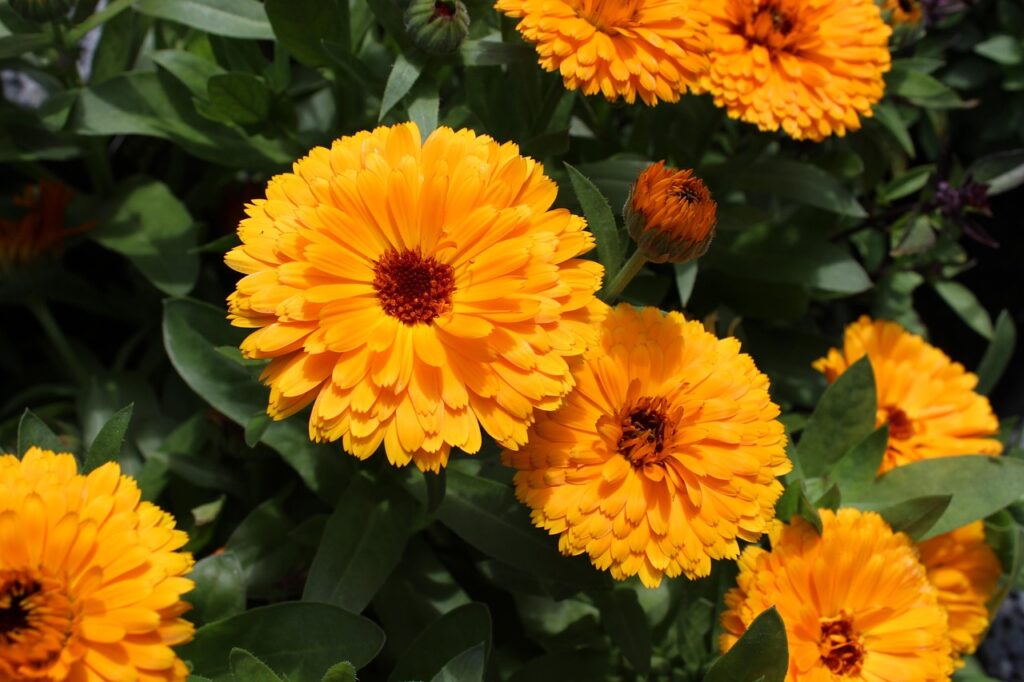
- Calendula (Calendula officinalis): Mildly floral, skin support.
- Yarrow (Achillea millefolium): Slightly bitter, immune support.
- Raspberry Leaf Tea: Mild tea with anti-inflammatory benefits.
Growing Tips
Most tea herbs prefer full sun and well-drained soil. Some, like mint and lemon balm, can spread aggressively and are best grown in containers. Harvest leaves and flowers in the morning once the dew has dried to capture the best flavors. Dry them in a cool, dark place to preserve aroma and potency.
Whether you’re looking to soothe your mind, support digestion, or simply enjoy a fresh, aromatic cup, growing your own garden teas on your tea garden opens up endless possibilities. Start planting today and enjoy the natural goodness of homegrown herbal teas in every sip!
3 Simple Garden Tea Blends for Beginners
1. Relaxing Chamomile & Lavender Blend
- 2 parts dried chamomile flowers
- 1 part dried lavender buds
This soothing blend is perfect for winding down in the evening. Chamomile calms the mind, while lavender adds a gentle floral aroma to help you relax and sleep better.
2. Refreshing Mint & Lemon Balm Cooler
- 2 parts fresh peppermint or spearmint leaves
- 1 part fresh lemon balm leaves
Brew this blend hot or iced for a refreshing, uplifting tea. Mint aids digestion and freshens breath, while lemon balm gently reduces stress and adds a bright citrus note.
3. Citrus Zest Rosemary & Lemon Verbena Tea
- 1 part fresh rosemary sprigs
- 2 parts fresh lemon verbena leaves
This fragrant, citrusy blend is great for a mid-afternoon pick-me-up. Rosemary helps boost focus and circulation, and lemon verbena adds a zesty lemon flavor with calming effects.
How to Brew Your Garden Tea
- Use about 1 teaspoon of dried herbs or 1 tablespoon of fresh herbs per cup of hot water.
- Steep for 5-7 minutes, then strain. Adjust steeping time and quantities to suit your taste.
- Add honey, lemon, or a splash of milk if desired.
Starting with these simple blends, you can experiment by mixing different herbs to find your perfect garden tea flavor. It’s a fun, creative way to enjoy the fruits (and leaves!) of your gardening labor. Cheers to your health and happy sipping!
Berry Teas: Fruity, Flavorful, and Full of Benefits
In addition to herbal teas, berry teas are a vibrant and tasty way to enjoy the flavors of your garden. Berries like raspberries, strawberries, blackberries, and blueberries can be used fresh or dried to create naturally sweet and tangy teas.

You can steep them alone or blend them with herbs like mint, lemon balm, or hibiscus for added depth. Or, just to add to your daily black tea. Berry teas are rich in antioxidants, vitamin C, and anti-inflammatory compounds, making them not only delicious but also supportive of immune health and overall wellness.
Many berry plants are easy to grow in home gardens and offer the added benefit of producing fruit for eating as well as brewing. Simply chop fresh berries or use dried ones, steep in hot water for 10–15 minutes, and enjoy a colorful, flavorful tea that’s as good cold as it is warm.