What are common types of berries? Berries are a diverse group of fruits that range from small and delicate to surprisingly large in size, growing on shrubs, vines, or trailing plants. While many are small and colorful with sweet or tart flavors — such as blueberries, raspberries, blackberries, and currants — some berries are much larger, including watermelons, pumpkins, and bananas, which are botanically classified as berries. These berries are enjoyed fresh or used in smoothies, baked goods, jams, and preserves, offering both versatility and high nutritional value.
What makes berries special is their rich supply of vitamins, fiber, and antioxidants—especially vitamin C and polyphenols, which help protect the body from inflammation and oxidative stress. Regularly eating berries may support heart health, brain function, and a strong immune system.
Berries are also easy to grow in home gardens and often thrive in cooler climates. Whether you’re picking them in the wild or growing your own, berries are a delicious and healthy addition to any diet.
This article provides an overview of various edible berry species.
Apple-Berries: A Unique and Tasty Native Fruit
Apple-berries, also known as Billardiera scandens, are small, native Australian fruits that grow on a climbing vine found in woodlands and coastal regions of eastern and southern Australia. Despite their name, apple-berries are not related to apples or traditional berries. Instead, they are part of the Pittosporaceae family and are valued for their sweet, mildly apple-like flavor when fully ripe.
The fruits are oblong and greenish when unripe, turning yellowish or purple as they mature. While unripe apple-berries are not typically eaten, ripe ones are soft, sweet, and pleasant to the taste, making them a popular bush food among Indigenous Australians for centuries.
Apple-berries are rich in natural sugars and provide a good source of energy. They are often eaten fresh, but can also be used in jams, desserts, or dried for later use. The plant itself is hardy, drought-tolerant, and ideal for native gardens, as it provides food for birds and pollinators.
With their delicate flavor, nutritional benefits, and cultural significance, apple-berries are an underappreciated fruit worth discovering—especially for those interested in sustainable, native foods.
Aronia Berries
Aronia berries, commonly known as chokeberries, are a hardy, low-maintenance shrub perfect for home gardens. These plants are prized for their glossy dark berries and high antioxidant content. They are known for being easy to grow, even if you’re new to gardening.
Aronia plants are strong and can handle cold weather, poor soil, and little water. In the spring, they bloom with white flowers. In late summer, they produce clusters of berries.
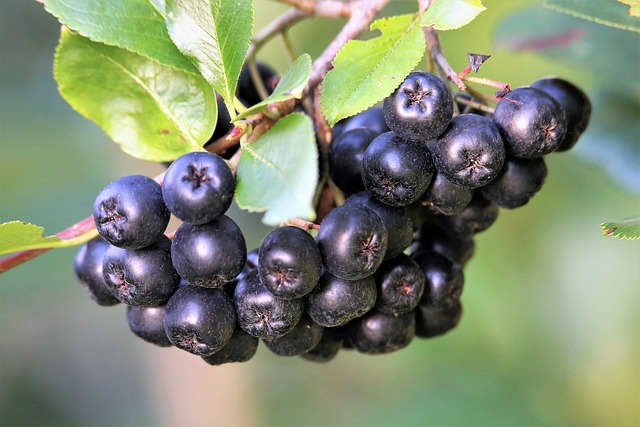
One of the best things about aronia berries is their health benefits—they’re full of vitamins and powerful antioxidants that support your immune system. While their raw taste is tart, they’re perfect for making jams, juices, teas, and syrups and can be combined with other berries and fruits.
If you want a low-maintenance plant that looks good and gives you healthy fruit, aronia is a great choice.
For best results, plant aronia shrubs in well-draining soil and mulch around the base to retain moisture. They rarely suffer from pests or disease, making them a great choice for organic gardening. Whether you’re growing for beauty, wildlife, or health benefits, aronia is a rewarding addition to any garden landscape.
Bearberries
Bearberries (Arctostaphylos uva-ursi) are low-growing evergreen shrubs commonly found in cold and temperate regions of the Northern Hemisphere. They thrive in sandy, acidic soils and are especially common in boreal forests, heathlands, rocky slopes, and coastal dunes. The plant forms dense mats close to the ground, rarely growing more than 20 cm tall, which makes it easy to overlook unless the berries are present.
The leaves are one of the most reliable identification features. They are small, leathery, oval-shaped, and dark green with a glossy upper surface. Unlike many similar plants, bearberry leaves remain evergreen throughout winter. In spring, the plant produces small, urn-shaped flowers that are pale pink to white and resemble miniature blueberry blossoms. (The image below is created by AI.)
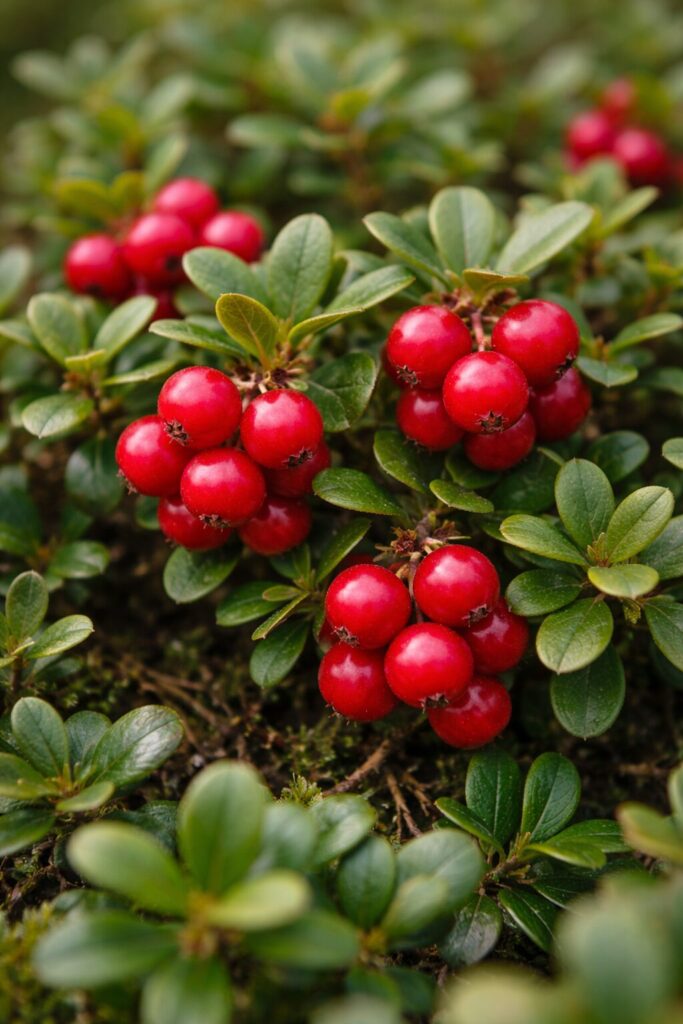
The berries ripen from late summer into autumn. They are round, smooth, and bright red, resembling cranberries but slightly smaller. Each berry contains several hard seeds and has a dry, mealy texture with very little sweetness. While technically edible, bearberries are bland and astringent, and are rarely eaten raw.
Bearberries are often confused with lingonberries, but lingonberries grow taller, have shinier berries, and produce clusters rather than single fruits. A key identifier for bearberries is their creeping growth habit combined with red berries and thick evergreen leaves. Historically, the plant has been valued in traditional medicine and as a hardy ground cover in harsh environments.
Bilberries: Wild Super-Berries
Bilberries (Vaccinium myrtillus) are small, dark blue-purple wild berries that thrive in forests and heathlands across northern and central Europe. Often overlooked by gardeners outside their native regions, they pack an impressive nutrient profile and distinctive flavour that have made them a cherished fruit in traditional European diets for centuries.
Bilberries are perennial shrubs in the Vaccinium genus, closely related to blueberries, cranberries, and lingonberries. They grow naturally in acidic, temperate soils and are most commonly foraged from the wild rather than cultivated on a large scale.
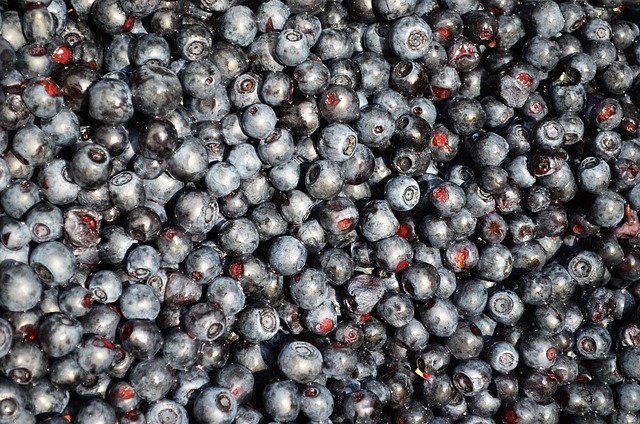
The berries themselves are smaller and darker than cultivated blueberries, with a deep blue–black exterior and a red to purple flesh inside. When you crush them, they stain fingers and lips with a rich dye-like colour—a trait that sets them apart visually.
Bilberries aren’t just delicious—they’re nutrient-dense and have several potential health advantages. They are particularly high in anthocyanins, flavonoids. These compounds act as powerful antioxidants, helping protect cells against oxidative stress and combat inflammation.
Traditionally, bilberry extracts have been associated with improved eye function, including reduced eye fatigue. A serving of bilberries provides valuable nutrients including vitamins C and K, manganese, and dietary fibre—all while being relatively low in calories.
Bilberries can be used similarly to blueberries in recipes—fresh, frozen, or cooked. Popular uses include: bilberry jam and jelly, pies, muffins, and traditional tarts, smoothies or yoghurt toppings, juices and sauces.
Black Currant berries
Black currant (Ribes nigrum) berries are small, dark, glossy fruits prized for their deep purple hue and tart flavor. Native to parts of Europe and Asia, these berries grow in clusters on hardy shrubs that thrive in cool climates. Their intense color reflects a high concentration of antioxidants, making them stand out among other berries.
The shrubs typically grow between 3 to 6 feet (1 to 1,5 m) tall and wide. Their leaves are lobed with serrated edges and a strong, somewhat musky scent when crushed. In spring, the plant produces small, greenish-white to pink flowers that hang in clusters.
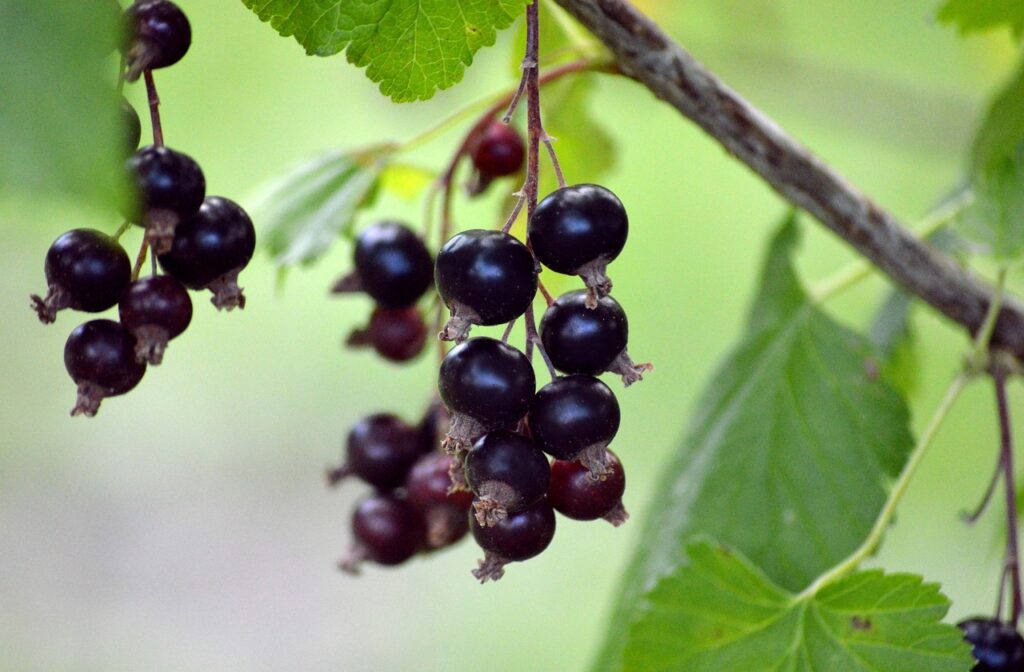
By mid to late summer, these flowers develop into smooth, round berries that turn from green to deep purple-black when ripe. The ripe berries grow in drooping clusters and have a glossy skin with a tart, tangy flavor.
Rich in vitamin C, black currants contain up to four times more of this nutrient than oranges, plus significant levels of vitamin A and potassium. They also pack anthocyanins—pigments that may support immune function and reduce inflammation. Traditional remedies have used black currant berries for cold and flu.
In the kitchen, black currants shine in jams, syrups, and baked goods, where their tartness balances sweetness. Gardeners appreciate the shrub’s resilience and generous annual yield. Whether sipped as a revitalizing tea or spooned over yogurt, these vibrant berries bring nutrition and bold flavor to every dish.
Blackberries
Blackberries (Rubus fruticosus) are juicy, dark purple to black fruits that grow on thorny, sprawling shrubs commonly found in gardens, along fences, forest edges, and rural paths. These hardy plants are part of the rose family and are easy to identify once you know the key features.
Blackberry bushes can grow in dense thickets with arching or trailing canes covered in sharp thorns. The leaves are usually made up of three to five leaflets, with toothed edges and a rough texture. In late spring to early summer, blackberry plants produce white or pale pink flowers with five petals.
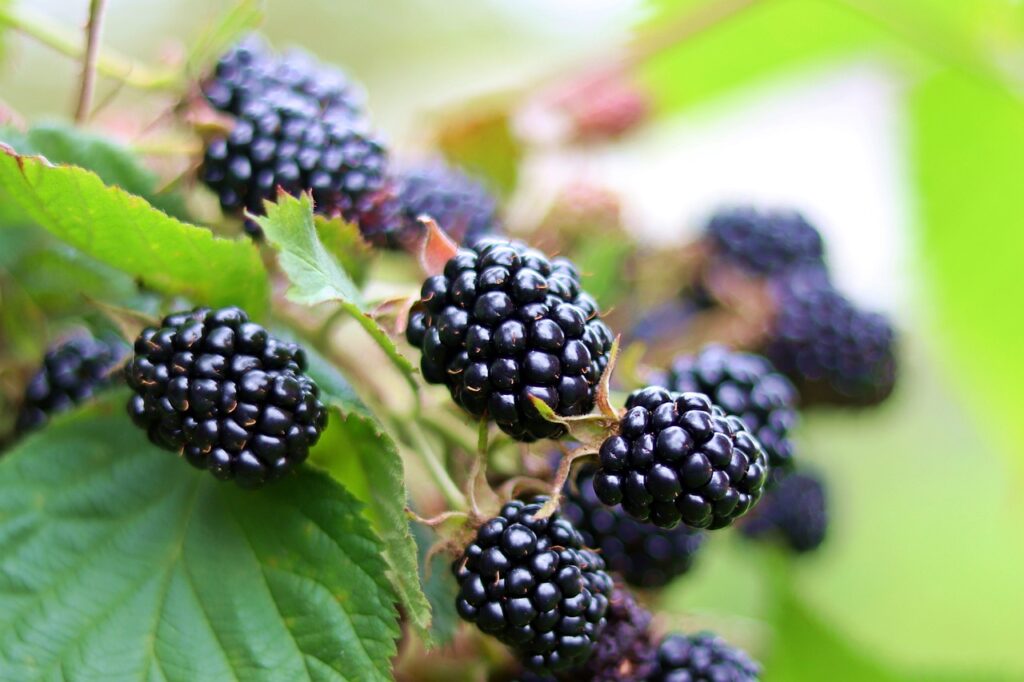
By mid to late summer, the flowers turn into berries that start out green, then ripen through red to a deep black-purple color. Each berry is made up of small, round segments called drupelets, giving it a bumpy appearance.
Blackberries are not only delicious but also packed with powerful health benefits. They are rich in vitamin C, vitamin K, and fiber, which support immune function, bone health, and digestion. Their deep color comes from anthocyanins—natural antioxidants that help fight inflammation and protect against heart disease.
Blackberries also contain manganese, important for brain and bone health, and polyphenols that may support healthy aging. With their low calorie and high nutrient content, blackberries make an excellent choice for a heart-healthy, immune-boosting snack.
Blueberries
Blueberries are small, round berries prized for their sweet-tart flavor. They grow in loose clusters and ripen from pale green through pinkish hues to a deep blue or bluish-purple.
Blueberries have a smooth skin with a light silvery coating called a “bloom,” which is a natural protective layer. Ripe berries are soft and detach easily from the stem.
- Fruit: 5–12 mm diameter, powdery white bloom on the surface, firm yet juicy
- Flowers: bell-shaped, white to pale pink, hanging in small clusters
- Leaves: simple, elliptic to ovate, smooth margins, turning red or orange in fall
- Wild blueberry shrub habit: woody stems usually 10–30 cm tall, branching from the base
- Habitat: acidic, well-drained soils in forests, heathlands, and open clearings
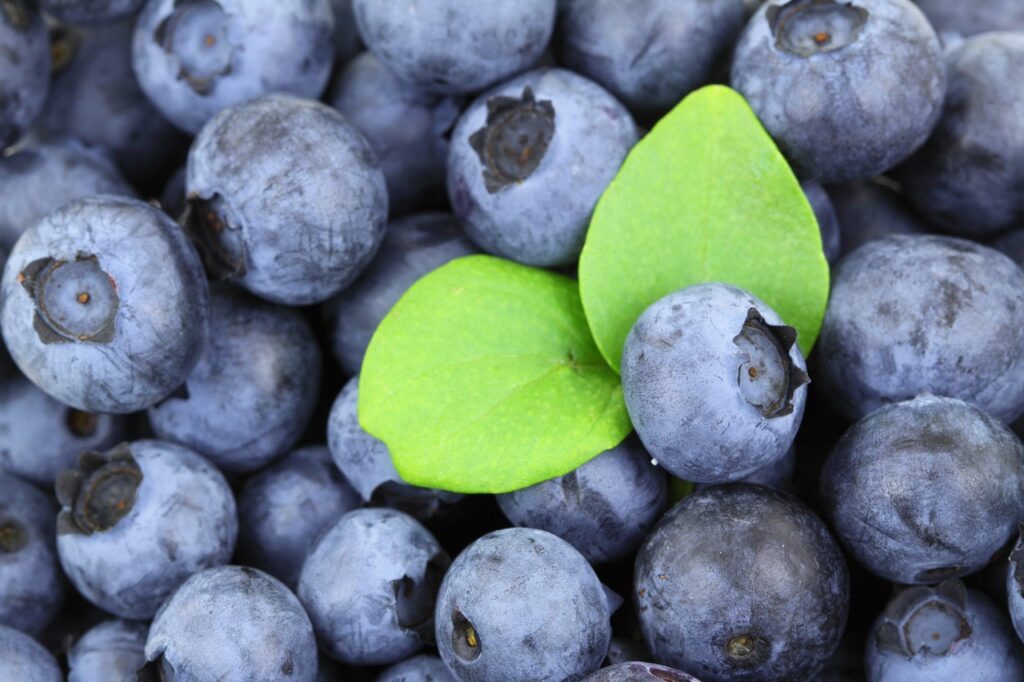
Blueberries are celebrated for their impressive health benefits. Rich in antioxidants, they help fight inflammation and protect cells from damage caused by free radicals. Blueberries are also an excellent source of vitamin C, vitamin K, and fiber, which support immune function, overall health, and digestion. Studies suggest that regular consumption of blueberries may improve brain function, support healthy blood pressure, and reduce the risk of chronic diseases. Low in calories but high in nutrients, blueberries are a smart and tasty addition to any balanced diet.
Bog Bilberries: Europe’s Wild Bog Berry with Big Nutritional Value
Bog bilberries (Vaccinium uliginosum) are wild berries found across northern and cool temperate regions of Europe and beyond. They thrive in acidic, wet environments such as bogs, heathlands, and moist forests, producing deep blue-black fruits that are often overlooked in favour of more famous berries like blueberries or common (European) bilberries. (The photo below is created by AI).
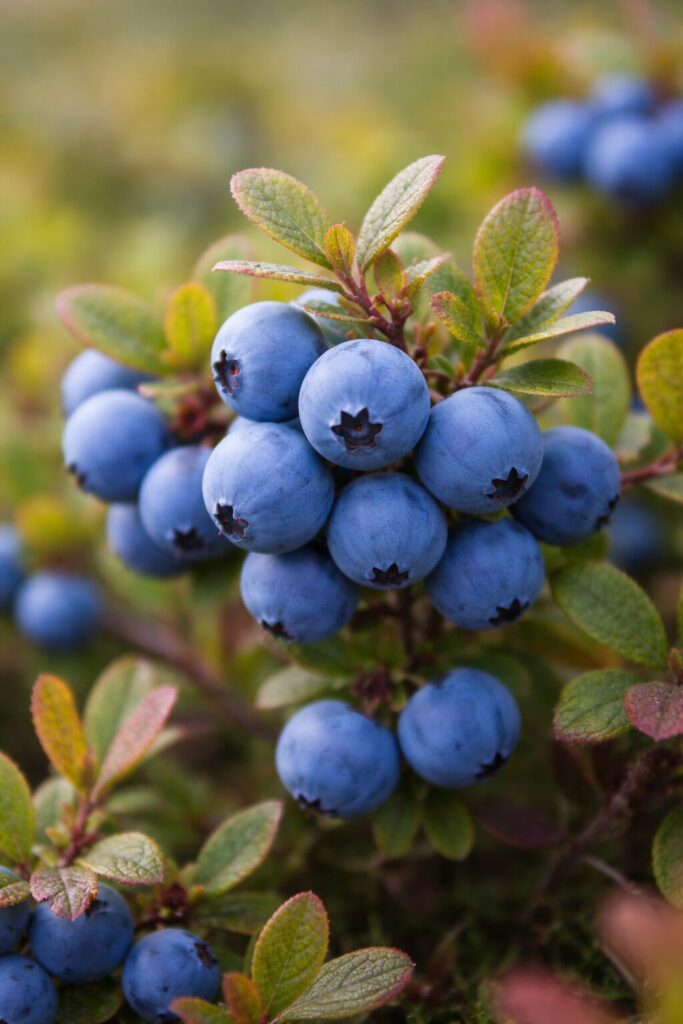
Bog bilberry is a low, deciduous shrub in the heath family (Ericaceae). It typically grows between 10 cm and 75 cm tall with blue-green leaves and small white to pale pink urn-shaped flowers that bloom in late spring to early summer. By late summer, the berries ripen into soft, blue-black fruits.
The fruit of bog bilberry is edible and mildly sweet, with a lighter-coloured, almost pale flesh compared with the richly pigmented interior of common bilberries.
Bog bilberries and their close relatives, common bilberries (Vaccinium myrtillus), may look alike at first glance, but there are a few distinctive differences:
- Habitat: Bog bilberries grow mainly in wet, boggy conditions, whereas common bilberries more often prefer forest floors and well-drained acidic soils.
- Taste: Bog bilberries tend to be milder and less tart than common bilberries, which are richer in flavour.
- Size: The fruits of bog bilberry are often slightly larger and more oval compared with typical bilberries.
Though less commercially known than blueberries, bog bilberries are nutrient-rich wild fruits with several potential health benefits:
Bog bilberries contain higher vitamin C levels than common bilberries, along with significant amounts of natural antioxidants including anthocyanins and flavonols such as quercetin. These compounds help protect cells from oxidative stress and support overall health.
Research indicates that bog bilberry contains compounds with anti-inflammatory activity and strong antioxidant properties, which may help support cardiovascular health and metabolic balance.
Bog bilberries have long been used in traditional dishes and drinks — from jams and jellies to juices and even spirits. Their mild flavour pairs well with more aromatic berries like bilberries or blackcurrants.
You can enjoy Bog bilberries fresh, in porridge, yogurts, or desserts, cooked into jams and sauces, juiced or combined with other berries, preserved by freezing or drying.
Buffaloberries
Buffaloberry (Shepherdia spp.) is a deciduous shrub native to North America, most commonly represented by silver buffaloberry (Shepherdia argentea) and Canada buffaloberry (Shepherdia canadensis). These shrubs are typically found in river valleys, open woodlands, prairies, and rocky slopes, where they tolerate drought, cold, and poor soils. Buffaloberries often form dense thickets and play an important role in stabilizing soil.
The plant usually grows 1–4 meters tall and is easily recognized by its silvery-gray foliage. Leaves are opposite, oval to lance-shaped, and covered with fine silvery hairs or scales that give the shrub a dull, metallic sheen. Branches are often thorny, especially in older plants.
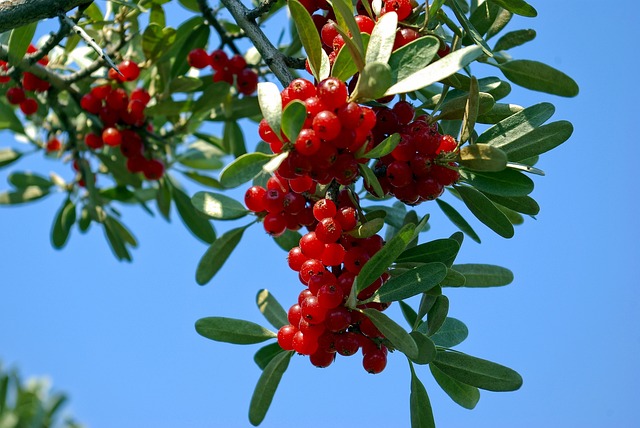
Buffaloberries are dioecious, meaning male and female flowers occur on separate plants. The small, yellowish flowers appear in early spring before the leaves emerge and are wind- or insect-pollinated. By late summer to early autumn, female plants produce round to oval berries that are bright red to orange-red, sometimes yellow, and densely speckled.
The berries are tart and astringent when raw but edible when fully ripe or processed. Buffaloberry can be distinguished from similar shrubs by its silvery leaves, thorny branches, early flowering, and vivid red fruits. Accurate identification is important, as fruiting occurs only on female plants.
Cloudberries
Cloudberry (Rubus chamaemorus) is a low-growing perennial plant native to cold, northern regions of the Northern Hemisphere. It thrives in bogs, peatlands, tundra, and wet coniferous forests, often in acidic, nutrient-poor soils. The plant is well adapted to harsh climates and is especially common across Scandinavia, Siberia, Canada, and Alaska.
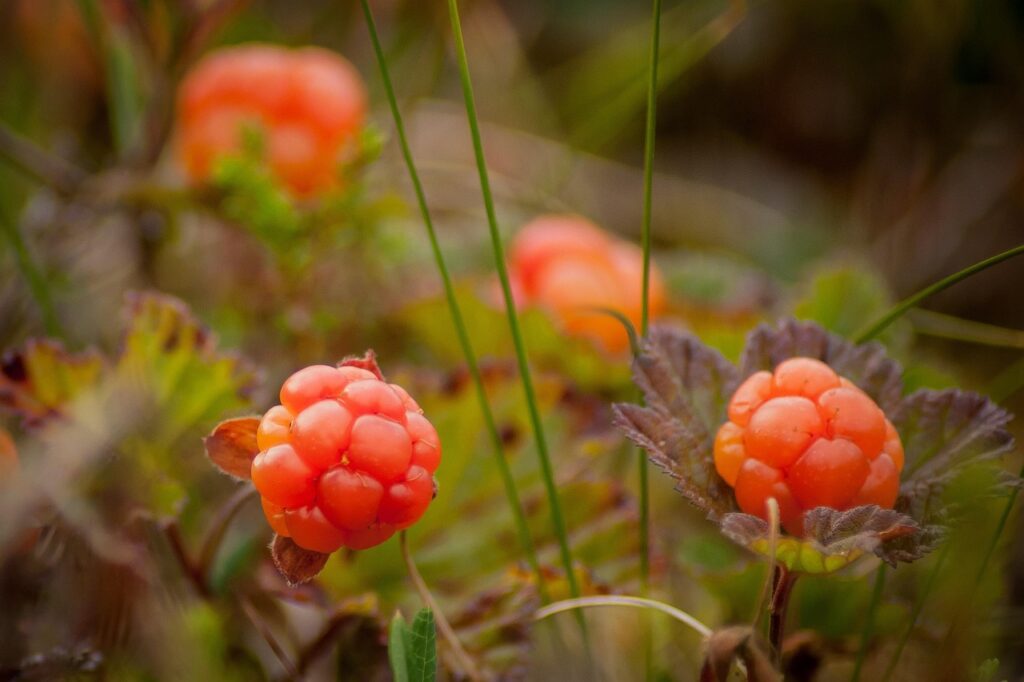
Cloudberry plants grow only 10–25 cm tall and spread slowly by creeping rhizomes. Each plant typically bears a single, upright stem topped with one flower. The leaves are simple, rounded, and palmately lobed, resembling small maple leaves. They are soft-textured, bright green, and turn vivid shades of red and orange in autumn.
In early summer, cloudberries produce solitary white flowers with five petals. The species is dioecious, meaning male and female flowers grow on separate plants, which can limit fruiting in some areas. By mid to late summer, the fruit develops into a distinctive amber-gold berry composed of large drupelets. Unripe berries are red, gradually softening and turning translucent as they mature.
Cloudberries are easily distinguished from other Rubus species by their single fruit per stem, golden color when ripe, and preference for wet, open habitats. The ripe berries are soft, aromatic, and highly valued for their unique flavor, making accurate identification especially important in the field.
Cranberries: Healthy Jewels of the Bog Garden
Cranberries (Vaccinium macrocarpon) are low-growing, evergreen perennials best known for their glossy red berries and rich autumn color. Native to North America, these hardy plants thrive in cool climates and acidic, sandy soils, where they form dense, trailing mats that spread gracefully across the ground.
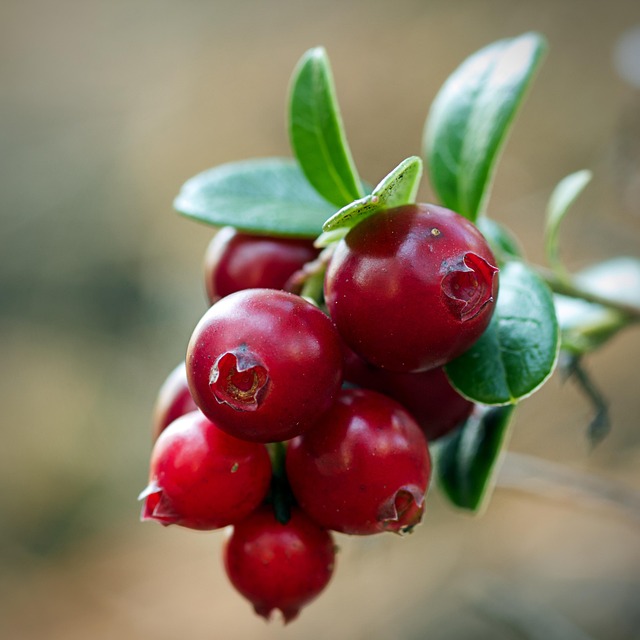
In late spring, cranberries produce delicate, nodding pink flowers with reflexed petals, often compared to tiny shooting stars. By early fall, the flowers give way to firm, ruby-red berries prized for their tart flavor and impressive nutritional value. Rich in antioxidants and vitamin C, cranberries have long been valued both in the kitchen and for their traditional health benefits.
Beyond their harvest, cranberry plants offer ornamental appeal. Their dark green foliage turns bronze and burgundy as temperatures cool, adding seasonal interest to naturalistic gardens and edible landscapes. While commonly associated with commercial bogs, cranberries can also be grown successfully in home gardens, provided they receive ample sun, consistent moisture, and acidic conditions.
At once beautiful and practical, cranberries are a rewarding choice for gardeners seeking a distinctive fruiting plant with year-round character.
Crowberries
Crowberry (Empetrum nigrum) is a low-growing, evergreen shrub native to cold and temperate regions of the Northern Hemisphere. It is especially common in tundra, heathlands, boreal forests, coastal dunes, and alpine slopes, where it thrives in acidic, sandy, or rocky soils. Crowberry is highly tolerant of wind, cold, and nutrient-poor conditions and often forms extensive ground-cover mats.
The plant has woody, trailing stems that root as they spread, creating dense carpets close to the ground. Its leaves are narrow, needle-like, and rolled under at the edges, giving the plant a heath-like appearance. The leaves are dark green and evergreen, remaining on the plant throughout winter.
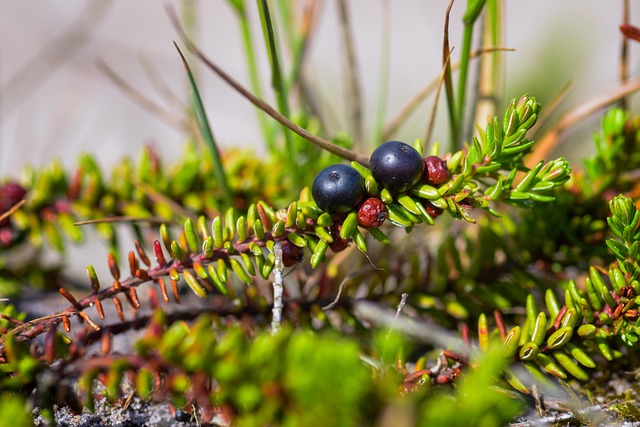
Crowberry flowers appear in spring and are small and inconspicuous, usually pinkish-purple, growing singly or in small clusters near the leaf axils. By late summer, the plant produces round, glossy black berries with a slightly waxy surface. The fruits are firm and juicy, containing several small seeds, and often persist on the plant well into winter.
Crowberry can be distinguished from similar species by its evergreen needle-like leaves, creeping growth habit, and black berries borne close to the stems. While the berries are edible, they are mild and watery in flavor and were traditionally used more as a staple food than a delicacy in northern cultures.
Dewberries
European Dewberry (Rubus caesius) is a low-growing bramble native to much of Europe and western Asia. It typically inhabits riverbanks, hedgerows, woodland edges, scrubland, and disturbed soils, preferring moist but well-drained ground. Unlike many upright brambles, this species spreads close to the ground and often forms loose, sprawling patches.
The plant is identified by its long, trailing stems that creep along the soil surface and root at the nodes. These stems are green to bluish-green and bear fine, sparse prickles that are noticeably weaker than those of blackberries. Leaves are usually three-lobed, occasionally five-lobed, with coarsely toothed margins. The upper leaf surface is dark green, while the underside is paler and slightly hairy. (The photo below is made by AI.)
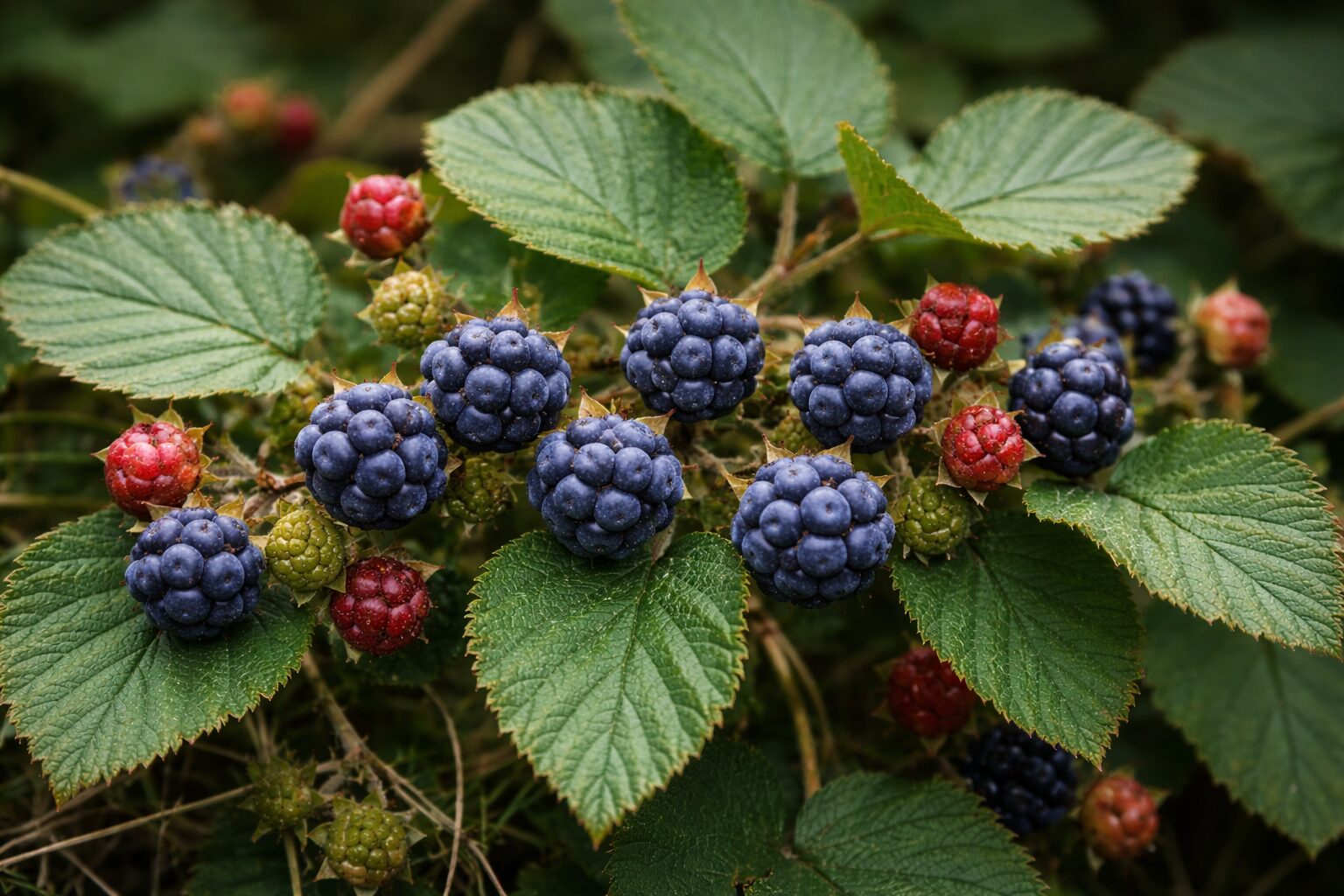
Flowering occurs in late spring to early summer. The flowers are white, five-petaled, and relatively small, borne singly or in loose clusters. By early to mid-summer, the plant produces its characteristic fruit: dark purple to black berries covered with a bluish waxy bloom. Each berry is composed of relatively few, large drupelets, giving the fruit a flatter, less compact appearance than blackberries.
Rubus caesius can be distinguished from other brambles by its ground-hugging growth habit, bluish-coated dark fruit, and early ripening period. The berries are edible and mildly sweet, and the species plays an important role in riparian and hedgerow ecosystems.
Gooseberries: A Tart Treasure in the Garden
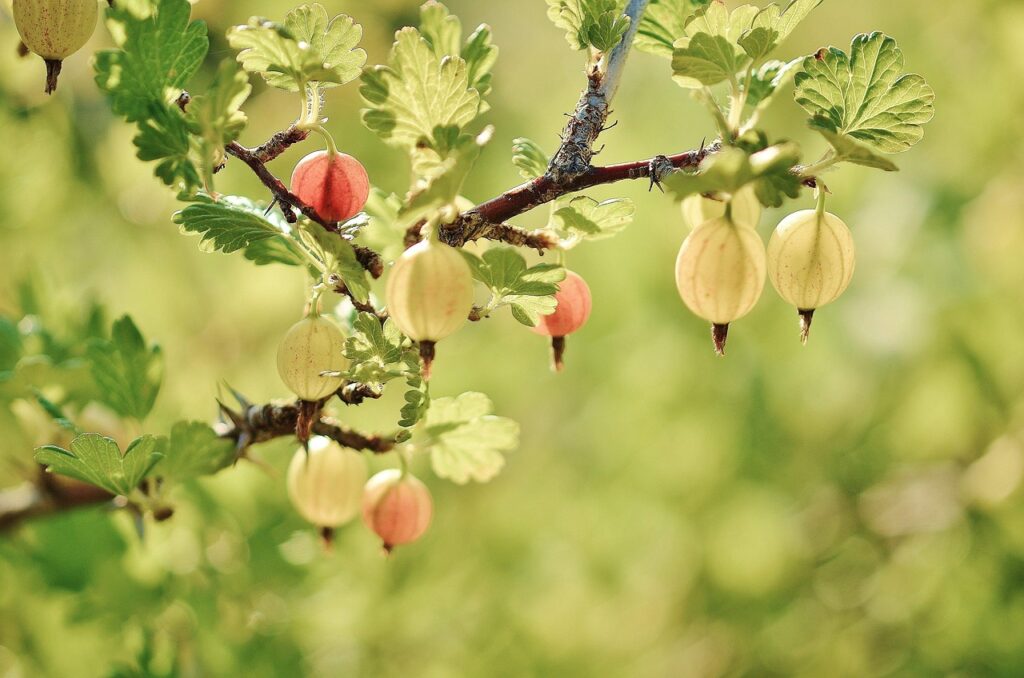
Gooseberries are small, round fruits that grow on bushes and belong to the Ribes genus, closely related to currants. They come in a variety of colors, including green, red, purple, and yellow, depending on the variety and ripeness. Native to parts of Europe, southwestern Asia, gooseberries thrive in cool climates.
The flavor of gooseberries can range from very tart to mildly sweet, making them versatile for both culinary and medicinal uses. They are excellent for pies, jams, and chutneys due to their high pectin content. Ripe gooseberries can be eaten fresh, added to salads, or used in desserts.
Nutritionally, gooseberries are rich in vitamin C, antioxidants, and dietary fiber, which contribute to immune support and digestive health. They have been used in traditional medicine to treat various ailments, including inflammation and fatigue.
In gardens, gooseberry bushes are relatively low-maintenance but benefit from regular pruning and good air circulation to prevent mildew. With proper care, they can be a rewarding addition to any home garden, providing both beauty and a delicious, healthy harvest.
Guelder Rose (Viburnum opulus)
Guelder Rose (Viburnum opulus) is a deciduous shrub native to Europe, parts of Asia, and North Africa, and widely naturalized elsewhere. It grows in hedgerows, woodland edges, riverbanks, and damp meadows, preferring moist, fertile soils but tolerating a wide range of conditions. The shrub typically reaches 2–4 meters in height and forms a dense, rounded crown.
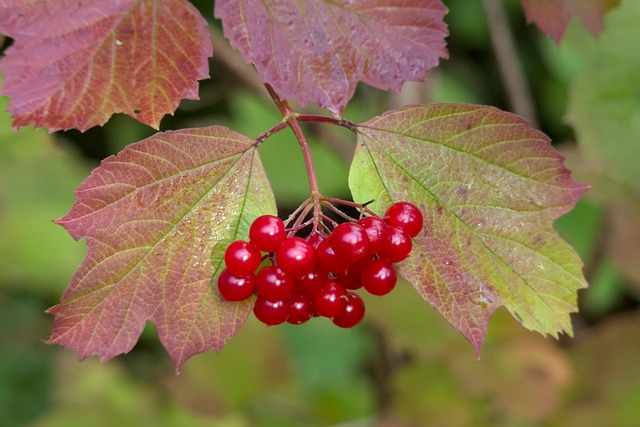
The leaves are opposite, three-lobed, and maple-like, with coarse teeth along the margins. They are bright green in summer and turn striking shades of red and purple in autumn, making the plant easy to recognize outside the fruiting season. Young stems are smooth and greenish, aging to gray-brown bark.
Flowering occurs in late spring to early summer. The flowers are borne in flat-topped, lacecap-style clusters. Each cluster consists of small, fertile creamy-white flowers in the center, surrounded by larger, sterile white flowers that act as visual attractants for pollinators.
By late summer to autumn, the plant produces bright red, translucent berries arranged in drooping clusters. Each berry contains a single flat seed and remains on the shrub well into winter. While technically edible, the fruits are bitter and are traditionally used only after cooking.
Viburnum opulus can be distinguished from similar shrubs by its maple-like leaves, lacecap flower clusters, and persistent red berries, making accurate identification important in the field.
Consult your doctor before consuming.
Hawthorn berries
Hawthorn (Crataegus spp.) is a genus of thorny shrubs and small trees widely distributed across Europe, Asia, and North America. Hawthorns are commonly found in hedgerows, woodland edges, scrubland, and open fields, where they tolerate a wide range of soils and exposure. Depending on the species, plants typically grow 3–10 meters tall and often form dense, impenetrable thickets.
The leaves are alternate and deeply lobed, with toothed margins and considerable variation in shape even on the same plant. They are bright green in summer and turn yellow or red in autumn. Stems and branches bear stiff, sharp thorns, a key identification feature that distinguishes hawthorn from many similar shrubs.
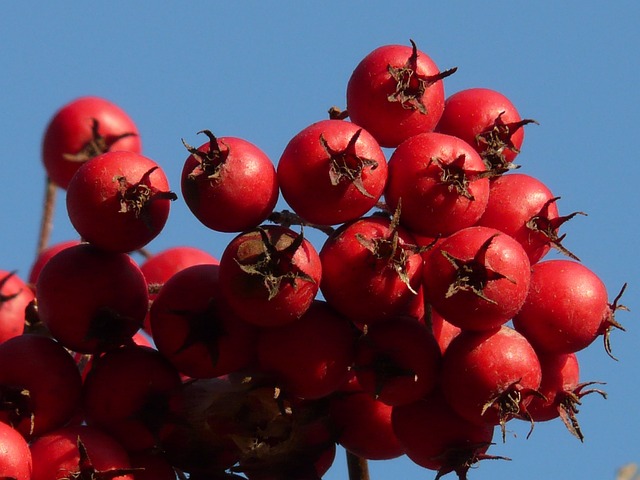
Flowering occurs in late spring. Hawthorns produce flat-topped clusters of small white or pale pink flowers, each with five petals and prominent stamens. The flowers have a strong, musky scent and are highly attractive to insects. By late summer to autumn, they develop round to oval red berries, known as haws.
Hawthorn berries are firm and mealy, each containing one to several hard seeds. They often remain on the branches into winter. Hawthorns can be identified by their thorny branches, lobed leaves, spring flower clusters, and persistent red haws. The fruits are edible when ripe and traditionally used in jams and herbal preparations, though proper identification is essential due to the plant’s variability.
Lingonberries: The Tart Red Gems of the Forest
Lingonberries (Vaccinium vitis-idaea) are small, bright red berries native to the forests of Scandinavia, Baltics, Russia, and parts of North America. Closely related to cranberries and blueberries, lingonberries grow on low, evergreen shrubs and are known for their tart flavor and vibrant color. These berries have been a staple in Nordic and Baltic cuisines for centuries, often used in jams, sauces, and preserves.
Their naturally sour taste makes them ideal for pairing with savory dishes such as meat and liver. Lingonberry sauce is a traditional accompaniment to many Swedish meals and is especially popular during festive seasons.
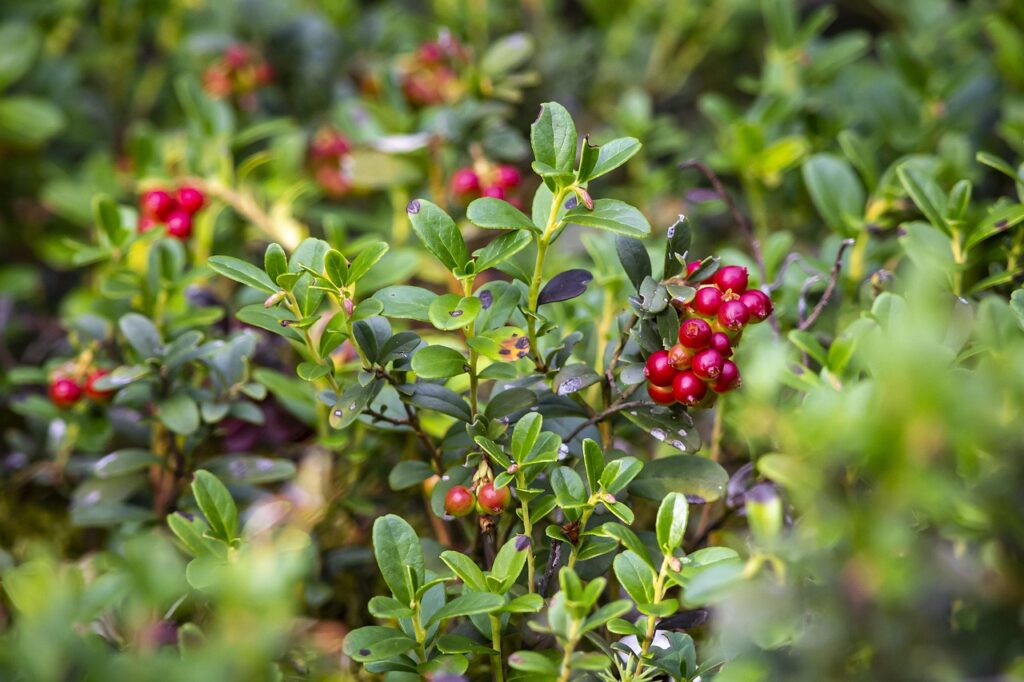
Nutritionally, lingonberries are rich in antioxidants, vitamins A and C, and dietary fiber. They are believed to offer several health benefits, including supporting heart health, reducing inflammation, and aiding in urinary tract health. Some studies also suggest that lingonberries may help regulate blood sugar levels.
Lingonberries are hardy plants, but can be challenging to cultivate outside their native environment. However, interest in superfoods grows and lingonberries are gaining popularity in gardens and farms outside their native range. Their resilience, nutritional value, and vibrant flavor make them a true gem of the northern wild.
Mountain Ash Berries (Rowanberries): Vibrant and Valuable for Wildlife
Mountain ash berries (also known as rowanberries), produced by the mountain ash tree (Sorbus species), are small, round, and typically bright orange. These striking berries grow in large clusters and are a common sight in temperate regions of Europe, North America, and Asia. Mountain ash trees belong to the rose family and are closely related to apples and hawthorns.
While mountain ash berries are too bitter to be eaten raw by most people, they are rich in vitamin C and antioxidants. In some cultures, they are used to make jellies, wines, and sauces—usually after cooking or freezing to reduce their natural astringency. The berries also hold historical value in folk medicine, where they were used to treat sore throats and digestive issues.
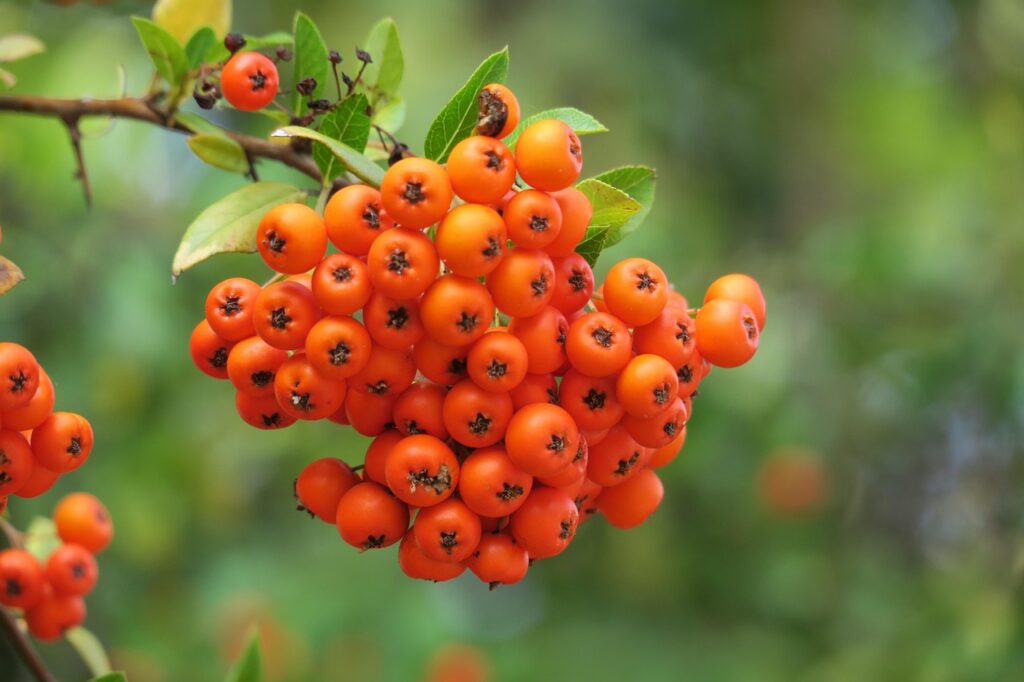
One of the most important roles of mountain ash berries is ecological. The berries are a vital food source for birds like waxwings and thrushes, especially during the colder months when other fruits are scarce. Mountain ash trees are also popular in landscaping due to their attractive appearance, especially in autumn when both leaves and berries provide seasonal color.
Overall, mountain ash berries are not only visually stunning but also play a key role in supporting local ecosystems.
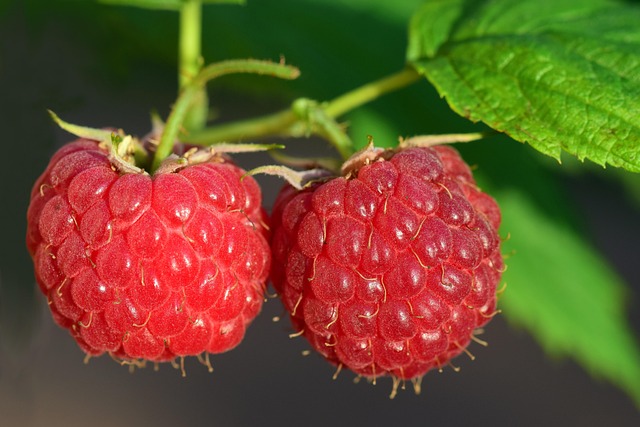
Raspberries: Sweet, Nutritious, and Versatile
Raspberries are one of the most beloved berries in the world, known for their sweet-tart flavor, vibrant red color, and soft, delicate texture. Belonging to the Rubus genus in the rose family, raspberries are native to Europe and northern Asia, but they are now grown in many temperate regions around the globe. While red raspberries are the most common, they also come in black, purple, and golden varieties.
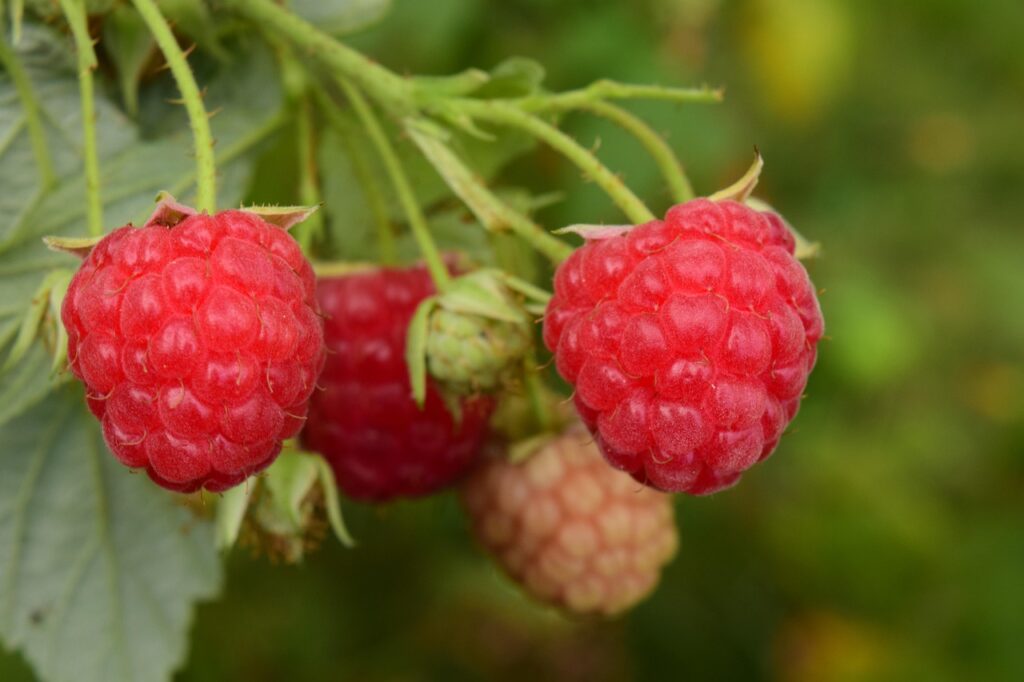
These berries are not only delicious but also packed with nutrients. They are an excellent source of dietary fiber, vitamin C, manganese, and antioxidants, all of which support immune health, aid digestion, and help combat oxidative stress. Raspberries are also low in calories, making them a popular choice for healthy snacks and weight management.
Raspberry tea is rich in antioxidants and plant compounds that may help support digestion, boost immune health, and provide a soothing, naturally caffeine-free drink with a light fruity flavor.
Raspberries are highly versatile in the kitchen. They can be eaten fresh, added to yogurt, cereal, or salads, and used in desserts such as pies, tarts, and sorbets. They are also commonly made into jams, jellies, and sauces.
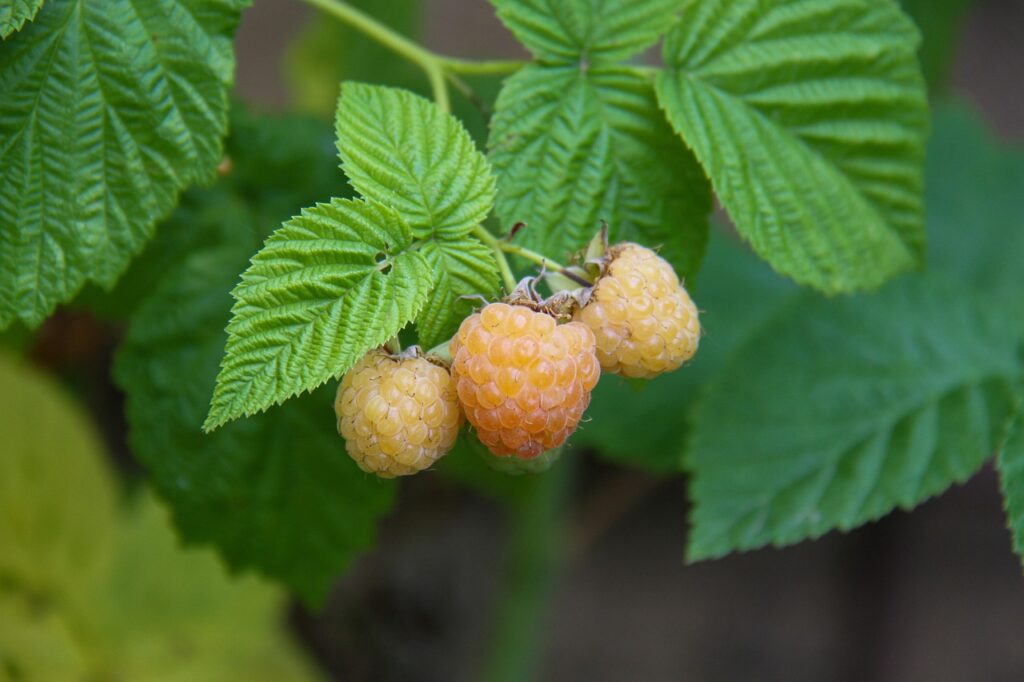
Although raspberry plants require some care — including pruning — they are relatively easy to grow in home gardens. With proper attention, they can yield an abundance of fruit throughout the summer, offering both beauty and bounty.
Red Currant: A Tart Little Berry with Big Health Benefits
Red currants (Ribes rubrum) are bright, ruby-red berries that ripen in early summer on shrubs native to northern and central Europe. These small fruits grow in tight clusters and are known for their slightly tart, refreshing flavor and their striking color. They’re not only a delicious ingredient in jams, sauces, and desserts, but also a nutrient-rich superfruit worth growing in your garden.
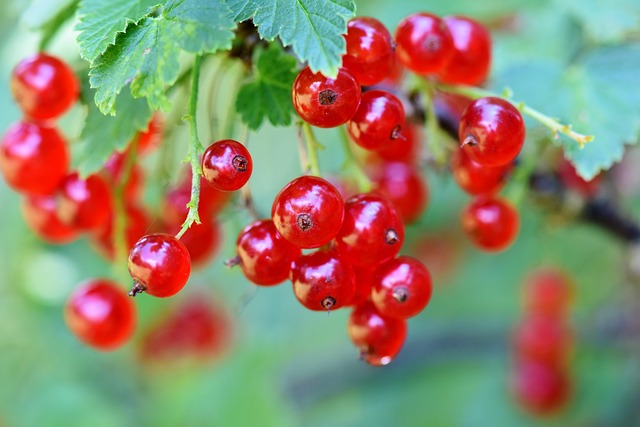
Red currants are perennial shrubs that usually reach about one meter in height. They belong to the Grossulariaceae family and have been cultivated in gardens for centuries for both their ornamental value and their fruit. The berries are small, spherical, and glossy, making them easy to spot when ripe.
Despite their small size, red currants pack a surprisingly potent nutritional punch. They are rich in vitamins, minerals, and fiber:
Thanks to their high vitamin C content, red currants help strengthen body’s natural defenses against infection and support overall immune health. They are rich in antioxidants—including flavonoids and polyphenols—that help reduce oxidative stress, protect blood vessels, and support healthy circulation.
. The berry’s fiber content supports regular digestion and can help improve gut function, while some organic acids may gently stimulate digestion. Vitamin K and minerals like manganese and potassium contribute to healthy bones and normal blood clotting.
Red currants are incredibly versatile. They’re delicious eaten fresh on their own or added to yogurt, salads, desserts, and even savory dishes. Their natural tartness makes them ideal for jams, jellies, sauces, and refreshing summer drinks.
Rose hips
Rose hips are the fruits of wild and cultivated roses (Rosa spp.) and are found across the Northern Hemisphere in hedgerows, forest edges, grasslands, dunes, and roadsides. They develop after flowering and persist into autumn and winter, often remaining on the plant long after the leaves have fallen. Many species produce hips, but those of wild roses are most commonly used.
Rose plants are thorny shrubs with arching or climbing stems armed with sharp prickles. Leaves are alternate and pinnate, composed of five to seven toothed leaflets. In late spring to early summer, roses produce showy flowers with five petals, usually pink or white in wild species. Once pollinated, the flower base swells to form the hip.
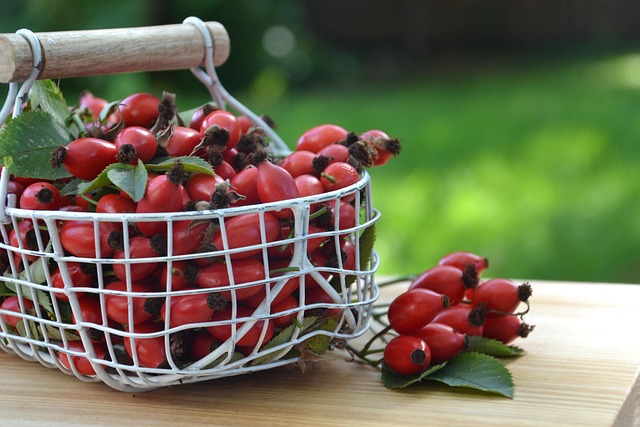
Rose hips vary in shape and size depending on the species. They are typically round to oval or bottle-shaped, turning bright red or orange when ripe. The skin is smooth and firm, enclosing numerous small seeds surrounded by fine hairs. These internal hairs can irritate skin and should be removed before use.
Rose hips can be identified by their vivid color, firm texture, and attachment to thorny rose stems. They are edible and notably rich in vitamin C, traditionally used in teas, syrups, and preserves. Proper identification is important, as all true rose hips are edible, but quality and flavor vary by species.
Salal Berries
Salal (Gaultheria shallon) is an evergreen shrub native to the Pacific Northwest of North America, ranging from coastal California to southern Alaska. It is especially common in coastal forests, woodland understories, dunes, and clearings, thriving in acidic, well-drained soils and partial shade. Salal often forms dense thickets and is an important understory plant in coniferous forests.
The plant grows 0.5–2 meters tall with upright, woody stems that spread slowly by rhizomes. Its leaves are large, thick, and leathery, oval to egg-shaped, with a glossy dark green surface. The leaves are evergreen and among the easiest ways to recognize salal year-round.
In spring to early summer, salal produces drooping clusters of small, urn-shaped flowers that are pink to white in color, resembling tiny bells. These flowers are attractive to bees and other pollinators. By late summer and autumn, they develop into round to slightly oval berries, deep purple to blue-black when ripe, often with a faint waxy bloom.
Salal berries are soft, mildly sweet, and edible, containing several small seeds. They can be distinguished from similar berries by their large evergreen leaves, clustered fruit, and forest-dwelling habitat. Salal has long been used as a food source by Indigenous peoples and remains a key species in Pacific coastal ecosystems.
Sea Buckthorn
Sea Buckthorn (Hippophae rhamnoides) is a striking, hardy shrub prized for both its ornamental beauty and remarkable usefulness. With silvery-green, narrow leaves and thorny branches, it adds texture and structure to garden landscapes, especially in coastal or dry areas where other plants struggle. In late summer to autumn, the plant produces clusters of vivid orange berries that glow against the foliage, creating a dramatic visual display.
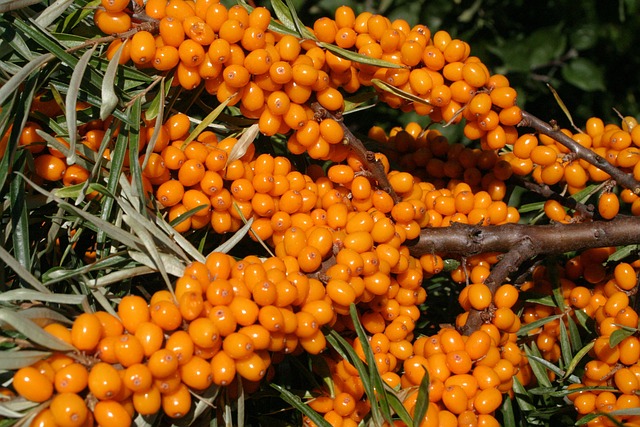
Beyond its beauty, sea buckthorn is valued for its nutrient-rich berries, packed with vitamins, antioxidants, and essential fatty acids. The shrub is exceptionally resilient—tolerant of wind, poor soils, drought, and frost—and it also improves soil health by fixing nitrogen. Ideal for hedging, erosion control, or wildlife-friendly gardens, sea buckthorn is a powerful blend of toughness, beauty, and natural benefit, making it a standout choice for sustainable and productive gardens.
Sea buckthorn is highly valued for its exceptional health benefits, thanks to its nutrient-dense berries. They are rich in vitamins C, A, and E, powerful antioxidants that support immune health and protect cells from oxidative stress. Sea buckthorn also contains rare omega fatty acids that promote healthy skin, support heart health, and aid digestion, making it a popular ingredient in natural wellness and skincare products.
Serviceberries
Serviceberry (Amelanchier spp.), also known as juneberry or saskatoon, refers to a group of shrubs or small trees native to temperate regions of North America, Europe, and parts of Asia. They are commonly found in woodland edges, hedgerows, rocky slopes, and riverbanks, thriving in well-drained soils and full sun to partial shade. Depending on the species, serviceberries grow 2–8 meters tall and may form multi-stemmed shrubs or single-trunked trees.
The leaves are alternate, oval to elliptic, with finely toothed margins. Young leaves often emerge bronze or copper-colored before turning deep green in summer and brilliant yellow, orange, or red in autumn. This seasonal color change helps distinguish serviceberries from similar fruiting shrubs.
In early spring, often before full leaf-out, serviceberries produce showy clusters of white, five-petaled flowers. These star-shaped blossoms are among the earliest nectar sources for pollinators and are a key identification feature during flowering season.
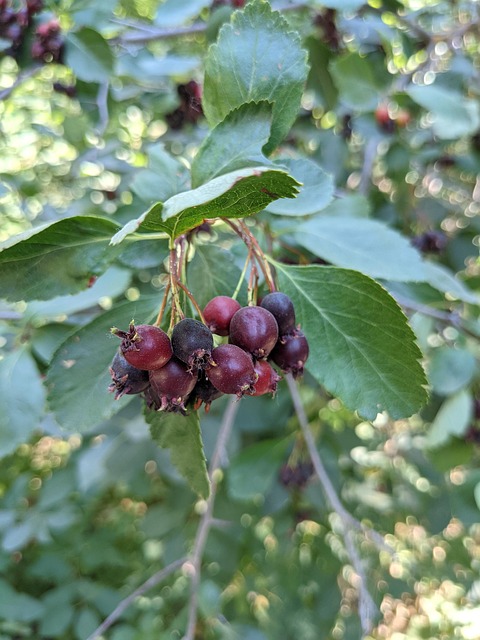
By early summer, the flowers develop into small, round berries that ripen from red to dark purple or nearly black. The fruits resemble blueberries but contain small seeds and often show a slight crown at the tip. Sweet and edible, serviceberries are highly attractive to birds and wildlife.
Serviceberries can be identified by their early white blooms, blueberry-like fruit, and vivid autumn foliage, making them valuable both ecologically and in landscape plantings.
Silverberries
Silverberry (Elaeagnus spp.) refers to several closely related shrubs or small trees best known for their distinctive silvery foliage and edible fruits. Species such as wolf willow (Elaeagnus commutata) and autumn olive (Elaeagnus umbellata) are native to parts of North America and Asia and are commonly found along riverbanks, open woodlands, grasslands, and disturbed sites. Silverberries are highly adaptable and often thrive in dry, sandy, or nutrient-poor soils.
The plants are easily recognized by their silvery-gray leaves, which are covered in fine, reflective scales that give the shrub a shimmering appearance. Leaves are usually oval to lance-shaped, arranged alternately along flexible, often thorny branches. Many species form dense thickets and fix nitrogen in the soil, allowing them to grow where other plants struggle.
In spring to early summer, silverberries produce small, tubular flowers that are pale yellow to cream in color. Though visually modest, the flowers are strongly fragrant and attract pollinating insects. By late summer or autumn, the plant develops oval to round berries that are silver to yellowish, often speckled with brown or reddish dots. When ripe, the fruits are soft, mealy, and mildly sweet.
Silverberries can be distinguished from similar shrubs by their silvery foliage, fragrant flowers, and speckled fruits. The berries are edible and were traditionally used by Indigenous peoples as a food source, though flavor varies by species.
Thimbleberries
Thimbleberry (Rubus parviflorus) is a deciduous shrub native to western North America, commonly found in forest edges, open woodlands, clearings, roadsides, and moist ravines. It prefers well-drained soils and partial shade but is highly adaptable and often forms loose colonies through spreading rhizomes.
The plant typically grows 1–2.5 meters tall with upright, unarmed stems that lack the thorns common to most brambles. One of its most distinctive features is its large, soft, maple-like leaves, which are palmately lobed, velvety to the touch, and bright green. In autumn, the foliage turns yellow before dropping.
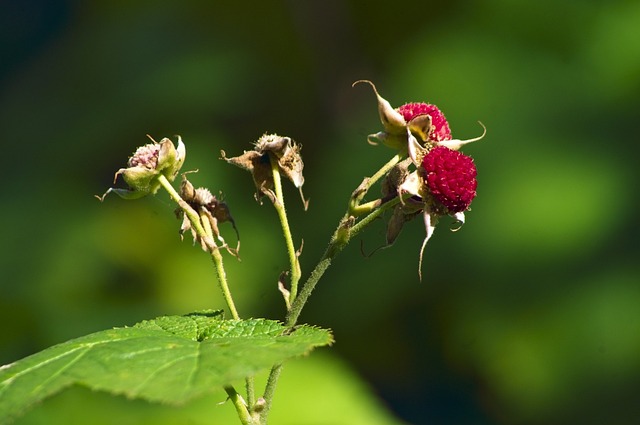
Flowering occurs in late spring to early summer. The flowers are large, white, and showy, with five broad petals and a prominent cluster of stamens at the center. These blossoms are among the largest of any Rubus species and are easily visible from a distance.
By mid to late summer, thimbleberry produces bright red, hollow fruits composed of delicate drupelets. The berries resemble raspberries but are softer and flatter, often collapsing when picked. They detach easily from the receptacle, leaving a thimble-shaped hollow, which gives the plant its common name.
Thimbleberry can be distinguished by its thornless stems, oversized soft leaves, large white flowers, and fragile red fruit. The berries are edible and mildly sweet, best eaten fresh due to their delicate texture.